In my twenties, jogging was my secret weapon. It kept me feeling light, both in body and in spirit. I could indulge here and there, eat when I was stressed, and still slip into my jeans the next day. It was my way of balancing it all—without ever really addressing what was underneath.
But as I approached 30, something shifted.
Suddenly, jogging wasn’t enough. My body was changing, and I could feel it. The weight I once ran off so easily now lingered, stubborn and frustrating. If I wanted to keep my figure, I had to change my diet. Simple, right?
So I tried.
I tried every diet I could find, meal-prepped, counted calories, drank green smoothies—you name it. I wanted to eat healthier and to feel good in my body.
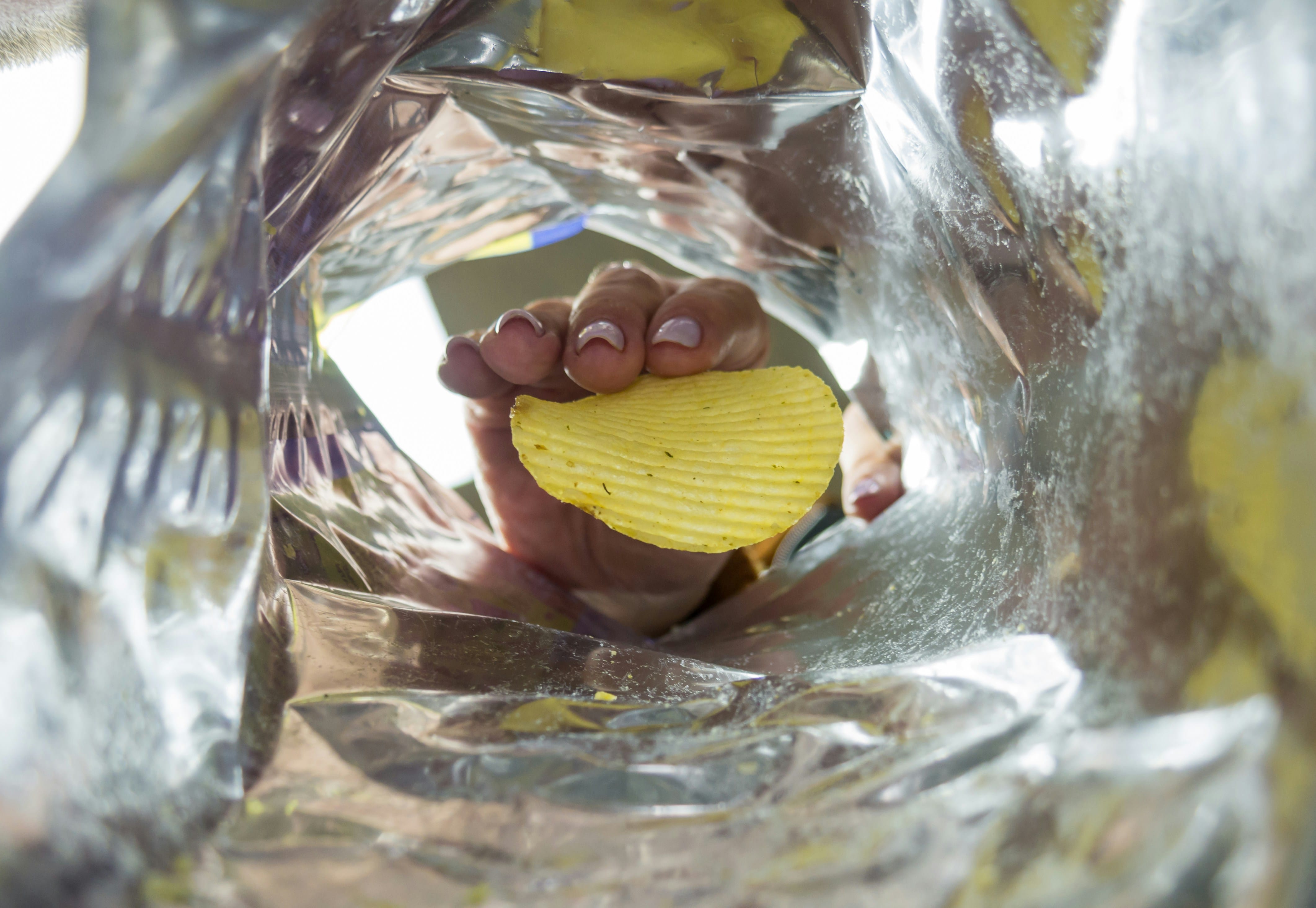
But no matter how strong my intentions were, by evening, I kept falling back into emotional eating.
A hard day. A stressful call. A quiet moment alone. And there I was—standing in front of the fridge, grazing without hunger. Reaching for snacks I didn’t even taste. I wasn’t feeding my body. I was trying to soothe something deeper.
As a coach, I now see this pattern in so many people. Emotional eating isn’t about a lack of willpower. It’s about our nervous systems, our unprocessed pain, and the parts of us still seeking comfort, love, and safety.
And healing that doesn’t start with food. It starts with coming home to yourself.
What Is Emotional Eating?
Emotional eating is using food to soothe, distract, or numb uncomfortable emotions. It often kicks in when we feel:
- Anxious or overwhelmed
- Lonely or unloved
- Unseen, unheard, or emotionally unsafe
- Tired, depleted, or disconnected from ourselves
In those moments, food becomes more than fuel—it becomes a coping tool. And it works temporarily:
- Sugar calms the nervous system.
- Carbs release serotonin.
- Fullness can mimic safety when emptiness feels unbearable.
How Trauma Fuels Emotional Eating
Here’s the deeper layer most people miss: emotional eating is often rooted in unresolved trauma.
When you’ve grown up in a chaotic or emotionally neglectful environment, your nervous system learns to stay on high alert. You don’t feel safe in your body. You may carry beliefs like:
- “I have to be perfect to be loved.”
- “I can’t trust anyone.”
- “I don’t deserve to take up space.”
Food becomes a loyal friend when people haven’t been. It becomes the “thing” you can turn to when your body doesn’t feel like a safe place to be.
But here’s the beautiful part: when you start healing your trauma, your relationship with food begins to shift naturally.
Healing the Root: Safety First, Cravings Later
Healing emotional eating starts not with food, but with cultivating inner safety.
When you begin doing deep work—whether through therapy, somatic practices, mindfulness, or trauma-informed coaching—you learn how to:
- Regulate your emotions instead of numbing them
- Sit with discomfort instead of stuffing it down
- Give your body what it actually needs—rest, release, and connection
As your nervous system calms, cravings calm too. You may notice:
- Less mindless snacking
- Less compulsion around sweets or comfort food
- More intuitive eating—honoring hunger, fullness, and nourishment
This process isn’t instant. It’s gradual, gentle, and cumulative. Healing trauma is physical as well as emotional. Your body finally feels safe, and food no longer needs to carry the weight of unprocessed feelings.
Practical Ways to Rewire Your Relationship with Food
Here are some practices that can help you start shifting emotional eating patterns:
1. Track Emotional vs Physical Hunger
Keep a simple journal for a week. Before eating, ask: “Am I hungry, or am I trying to soothe an emotion?” Notice patterns without judgment.
2. Practice Mindful Eating
Slow down. Put away distractions. Taste every bite. Mindfulness reconnects you to the body signals often ignored when eating emotionally.
3. Develop Non-Food Comfort Practices
Identify safe ways to soothe yourself besides food:
- Take a warm bath
- Listen to music
- Journal your thoughts
- Go for a walk
- Call a friend for connection
4. Use Somatic Practices
Your body holds tension and unprocessed emotions. Practices like deep breathing, yoga, or gentle movement help regulate the nervous system.
5. Build Emotional Awareness
Learn to notice triggers: stress, loneliness, exhaustion, or unmet emotional needs. Awareness is the first step toward responding differently.
6. Cultivate Compassionate Self-Talk
Instead of shaming yourself for cravings, say: “It’s okay. I’m learning. I’m safe. I can respond differently next time.”
It’s Not About Willpower—It’s About Compassion
If you’re stuck in a cycle of emotional eating, try asking yourself: What am I really needing right now?
Sometimes the answer is connection. Sometimes it’s rest… and sometimes it’s simply being seen. Food may still play a role—and that’s okay. But when you bring curiosity, compassion, and self-awareness into the mix, the patterns start to shift naturally.
Not because you forced them to. But because your body finally feels safe enough to let go of what it no longer needs.
✨ Final Words
Emotional eating is not a failure—it’s a signal. A signal that your nervous system is trying to protect you, that parts of you are seeking safety, and that your soul is asking to be seen.
Healing starts not with discipline, restriction, or willpower—but with compassion, curiosity, and connection to yourself. As you nurture your body, mind, and emotions, the compulsions fade. Food becomes fuel, not a stand-in for unmet needs.
Your cravings aren’t the enemy. They’re guides pointing you toward what you truly need: safety, presence, and self-love. Step gently, listen deeply, and trust the process. Your body, your mind, and your heart are capable of remembering safety—and when they do, a new freedom emerges.
Keep coming home to yourself.
💬Want to Go Deeper?
Healing emotional eating is about meeting your emotional needs, not shaming your habits.
📌 Break Free from Fear and Step Into Transformation – Discover how fear and avoidance keep us stuck—and how true transformation begins when we face our shadows.
📌 Therapy vs Coaching: How to Choose the Right Support – Not sure which path is right for you? Learn how therapy and coaching each support healing and growth in unique ways.
If this post resonates with you, and you’re ready to heal your relationship with food, body, and emotions—I’d love to support you. Learn more at timeacoaching.com ❤️
📚 Five Powerful Books on Emotional Eating, Trauma & Healing
- Women, Food, and God by Geneen Roth – A deeply spiritual and practical book on how our relationship with food reflects our relationship with life, worth, and self-trust.
- The Wisdom of Your Body by Hillary L. McBride – Learn how to reclaim your body from shame, trauma, and disconnection—and build a new, compassionate relationship with yourself.
- The Binge Cure by Dr. Nina Savelle-Rocklin – Break free from binge eating without dieting by addressing the emotions and unmet needs behind the behavior.
- When the Body Says No by Dr. Gabor Maté – Explore the mind-body connection and how unhealed stress and trauma manifest in physical and emotional habits—including eating.
- Eating in the Light of the Moon by Anita Johnston – A lyrical and powerful take on emotional eating, weaving storytelling, metaphor, and deep psychological insight for healing.
💬 Let’s Hear From You:
🤔 If emotional eating isn’t really about food—what do you think your body might be asking for?
💡 Have you noticed your cravings shift as you began your healing journey?
🤷 What has helped you feel more emotionally and physically safe?
Drop a comment or send a message—I’d love to hear your story. 💌






Leave a Reply