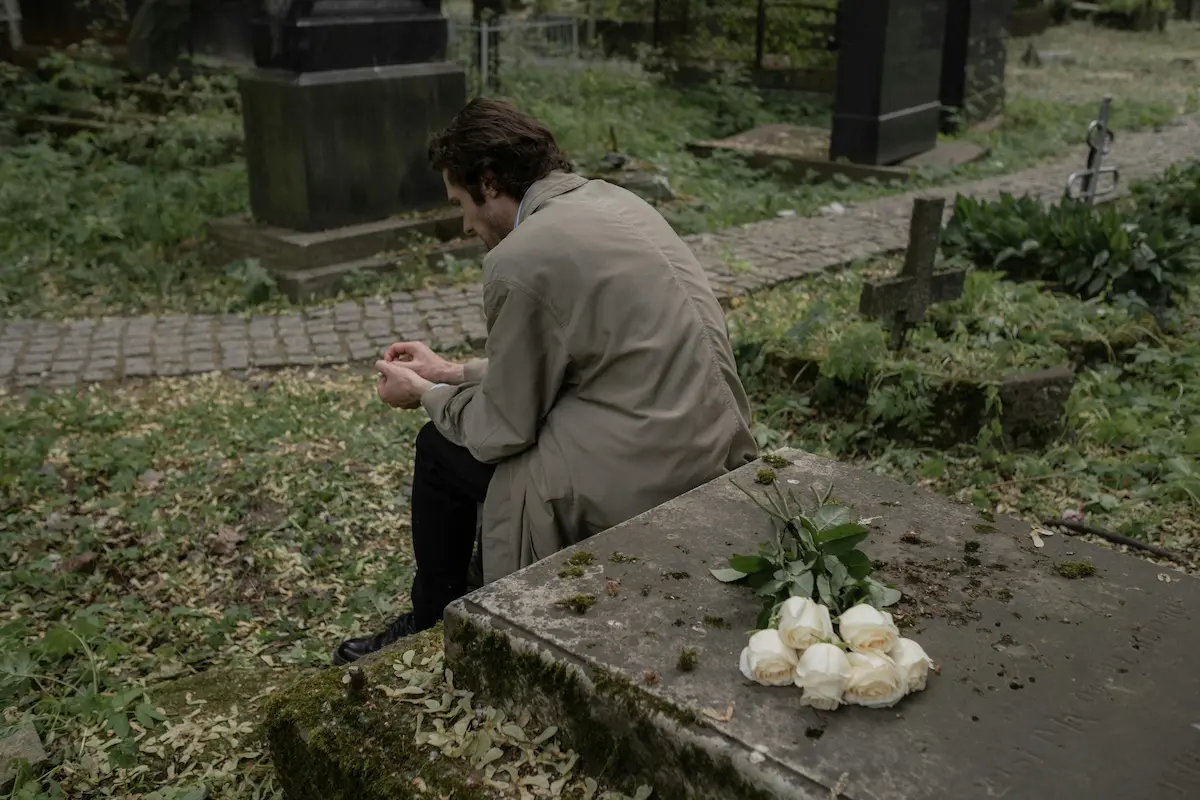
Sometimes, it takes hearing someone’s final words to truly begin living your own life.
Twelve years ago, I read The Top Five Regrets of the Dying by Bronnie Ware. Strangely, none of the regrets she described surprised me. Even then, I dreamed of doing something similar—interviewing elderly people, not about their regrets, but about what they appreciated most in life.
But I never did it.
Living in Berlin, I would often walk past elderly people sitting alone on park benches and wonder about the stories they carried within them. I regret not stopping more often to listen—not only because I was curious, but because so many people simply long to be heard.
Now, twelve years later, I see things a little differently. Time is precious. People’s opinions fade, achievements become less important, but the life you choose to live remains.
The real question is:
Are you living your own life—or someone else’s?
One of the greatest gifts Bronnie Ware’s work offers us is the opportunity to learn from people who have already reached the end of their journey. Their regrets aren’t meant to make us fearful—they’re gentle reminders of what truly matters while we still have time to choose differently.
The top five regrets of the dying continue to inspire millions of people around the world because they reveal a simple but profound truth: a meaningful life is rarely built through success or perfection. It’s built through authenticity, connection, courage, and joy.
Let’s explore the timeless lessons they can teach us about living more fully—starting today.
📘 From Banking to Bedside
Before becoming a bestselling author, Bronnie Ware worked in banking—a world of deadlines, structure, and routine. Although her life looked successful on paper, she felt that something essential was missing.
In search of greater meaning and purpose, she made the courageous decision to leave the corporate world behind and began working in palliative care, supporting people during the final weeks of their lives.
It was there, through countless honest and deeply human conversations, that she discovered something remarkable: when people approach the end of life, they rarely talk about money, status, or achievements. Instead, they speak about love, relationships, missed opportunities, and the choices they wish they had made differently.
Again and again, the same themes emerged—universal regrets that transcended age, culture, and circumstance.
Those conversations became the foundation of her internationally bestselling book, The Top Five Regrets of the Dying, offering timeless wisdom on what truly matters in life.
The beautiful thing about these lessons is that we don’t have to wait until the end of our lives to learn them. We can begin making different choices today.
Let’s explore the five regrets—and what they can teach us about living a more authentic, meaningful, and joyful life.
1. Live a Life That Feels True to You
The most common regret Bronnie Ware’s patients shared was this:
“I wish I’d had the courage to live a life true to myself, not the life others expected of me.”
So many of us spend years trying to meet expectations that were never truly our own. We pursue careers that feel “safe,” stay in relationships that no longer align with us, or make decisions based on what we believe we should do rather than what genuinely feels right.
Somewhere along the way, we learn to silence our own voice in favor of approval, security, or belonging.
Living authentically doesn’t necessarily mean making dramatic life changes or moving across the world. More often, it means having the courage to make small, honest choices that reflect who you truly are.
Ask yourself:
- Are the goals I’m pursuing genuinely mine?
- What would I choose if I wasn’t afraid of disappointing others?
- Where in my life am I saying “I should” instead of “I want”?
Living a life that feels true to you isn’t selfish—it’s one of the greatest gifts you can offer both yourself and the people around you.
Reflection Exercise
Take a few quiet moments to journal about this question:
“If I felt completely free, what would I do differently?”
Then, choose one small action this week that feels more aligned with your values, desires, or authentic self.
Authenticity isn’t a destination—it’s a series of small, courageous choices we make every day.
2. Don’t Let Work Become Your Whole Life
The second most common regret Bronnie Ware heard was:
“I wish I hadn’t worked so hard.”
While this regret was initially expressed mostly by men from older generations, I believe it has become universal. Today, many of us live in a culture that equates productivity with worth and busyness with success.
We spend years chasing financial security, achievements, and goals—often postponing the very things that make life meaningful. We tell ourselves we’ll slow down someday. We’ll spend more time with loved ones when work becomes less demanding. We’ll finally rest when we reach the next milestone.
But life isn’t something that begins after you’ve finished your to-do list.
Work can absolutely bring purpose, fulfillment, and joy. The problem isn’t working hard—it’s allowing work to become our entire identity while neglecting the relationships, experiences, and moments that truly enrich our lives.
Ask yourself:
- What am I sacrificing in the name of productivity?
- Am I creating a life I actually enjoy living today?
- Will what I’m worrying about right now matter ten years from now?
Success means different things to different people. Sometimes, success looks like an afternoon walk, an honest conversation with a friend, or having enough time and energy left to enjoy your own life.
Practical Tip
Schedule time each week that isn’t dedicated to productivity or goals. Read a book, take a walk, watch the sunset, or simply do nothing at all.
Rest isn’t something you earn—it’s something you need.
A meaningful life isn’t built solely through achievement. It’s also built through presence, connection, and the simple moments we so often overlook.often happen in stillness — in conversations, sunsets, or laughter with those we love.
3. Have the Courage to Express Your Feelings
Unspoken emotions can become invisible barriers between people. Whether it’s love, The third regret Bronnie Ware heard time and time again was:
“I wish I’d had the courage to express my feelings.”
So many of us spend our lives protecting ourselves from rejection, conflict, or vulnerability that we forget how much connection requires honesty.
We say “I’m fine” when we’re hurting. We leave kind words unsaid because we assume people already know how we feel. We avoid difficult conversations because they make us uncomfortable.
Yet, some of life’s deepest regrets come not from the things we said—but from the things we didn’t.
Emotional honesty doesn’t mean sharing everything with everyone. It means allowing yourself to communicate authentically and giving others the opportunity to truly know you.
Ask yourself:
- Is there something I’ve been meaning to say but keep postponing?
- Am I expressing my needs and emotions honestly in my relationships?
- What would become possible if I allowed myself to be more vulnerable?
Expressing your feelings isn’t a sign of weakness—it’s an act of courage. It creates deeper relationships, greater self-respect, and a stronger sense of emotional freedom.
Reflection Exercise
Write a letter to someone you care about. Tell them something you’ve been wanting to say—whether it’s gratitude, forgiveness, love, or simply appreciation. You don’t even have to send it.
Sometimes, the greatest transformation happens the moment we’re finally honest with ourselves.
The words we leave unspoken often stay with us far longer than the difficult conversations we were brave enough to have.
4. Make Time for the People You Love
The fourth regret Bronnie Ware’s patients shared was:
“I wish I had stayed in touch with my friends.”
As life becomes busier, relationships are often the first thing we sacrifice. Careers, responsibilities, and endless to-do lists quietly take over, and before we realize it, months—or even years—have passed without meaningful connection.
Yet, when people reflect on their lives at the end, they rarely talk about their achievements or possessions. They talk about people.
They remember the conversations that made them laugh until they cried, the friends who stood beside them during difficult times, and the simple joy of feeling understood and loved.
Human connection is one of our most fundamental needs. Relationships give our lives depth, meaning, and belonging in ways that no accomplishment ever can.
Ask yourself:
- When was the last time I reached out to someone I care about?
- Am I prioritizing the relationships that matter most to me?
- Who would I regret not spending more time with if my life ended tomorrow?
We often assume there will always be more time—to make the call, plan the coffee date, or tell someone how much they mean to us. But time is never guaranteed.
Action Step
This week, send a message to someone you’ve been thinking about. Tell them you’re grateful for them. Make plans to reconnect or simply let them know they crossed your mind.
Small gestures of connection have a beautiful way of becoming meaningful memories.
At the end of our lives, it won’t be our accomplishments that matter most—it will be the people we loved and the relationships we nurtured along the way.
5. Allow Yourself to Be Happy
The final regret may be the most surprising—and perhaps the most heartbreaking:
“I wish I had let myself be happier.”
Many people spend their entire lives waiting for happiness to arrive someday. We tell ourselves we’ll finally allow ourselves to relax, enjoy life, or feel fulfilled when we have more money, more time, or fewer problems.
But happiness is rarely something we find—more often, it’s something we allow.
So often, we postpone joy because we believe we haven’t earned it yet. We wait for the perfect circumstances, forgetting that life is happening right now—not someday in the future.
The people Bronnie Ware cared for weren’t the ones with perfect lives or extraordinary accomplishments. They were the ones who learned to appreciate the ordinary moments—the morning coffee, a heartfelt conversation, a beautiful sunset, or simply being present with the people they loved.
Ask yourself:
- What am I waiting for before I allow myself to be happy?
- Where am I postponing joy in my life?
- What brings me genuine happiness right now?
Happiness isn’t selfish, and it isn’t frivolous. It’s one of the most meaningful choices we can make for ourselves and the people around us.
Happiness Practice
Try these simple practices this week:
- Write down one thing you’re grateful for each morning.
- Notice small moments of joy throughout your day.
- Give yourself permission to rest, laugh, and enjoy life without feeling guilty.
Happiness doesn’t always arrive with life-changing events. More often, it’s found in the quiet moments we choose to fully experience.
Perhaps happiness isn’t something waiting for you in the future. Perhaps it’s something you’re allowed to choose today.
🌸 Final Words
The greatest gift of The Top Five Regrets of the Dying is that it reminds us we don’t have to wait until the end of our lives to discover what truly matters.
We can choose differently today.
Living authentically doesn’t require dramatic life changes. Sometimes, it simply means slowing down, expressing how you feel, calling an old friend, or allowing yourself to choose joy without waiting for the perfect moment.
None of us knows how much time we have. What we do know is that the choices we make each day shape the life we’ll eventually look back on.
Perhaps the question isn’t whether you’ll have regrets someday. Perhaps it’s whether you’re willing to listen to the wisdom of those who came before you—while you still have time to act on it.
Looking for support on your personal growth journey?
If you’d like to explore topics such as authenticity, purpose, relationships, or emotional well-being in a safe and supportive space, I’d love to support you. Visit my Talk With Me page to learn more about my one-to-one sessions and discover how we can work together.
🔗 Recommended Articles
Continue exploring authenticity, personal growth, and living a meaningful life with these two inspiring articles.
Stop Living Your Parents’ Life — A reflective guide on breaking free from inherited expectations and discovering your authentic path.
How I Built My Confidence — A personal journey of growth and self-belief with tools you can apply to strengthen your own confidence.
📚 Recommended Books
Here are five inspiring books on living authentically, finding meaning, and creating a life with fewer regrets.
- The Top Five Regrets of the Dying by Bronnie Ware — A compassionate and moving exploration of what truly matters in the end.
- The Gifts of Imperfection by Brené Brown — Encourages living wholeheartedly and embracing vulnerability.
- Man’s Search for Meaning by Viktor E. Frankl — A timeless lesson on finding purpose even in suffering.
- The Power of Now by Eckhart Tolle — A guide to living in the present moment and finding peace.
- Daring Greatly by Brené Brown — Inspires courage to be seen, to risk, and to live more fully.
💬 Questions for You
💭 What does “living true to yourself” mean to you right now?
🌿 Which of these five regrets resonates most with your own life?
🕰️ What small change could you make this week to live with fewer regrets?





Leave a Reply