Once, while living in Berlin, I stumbled upon an open day for family constellations. I was curious but unsure—something deep inside me stirred, yet I wasn’t quite ready to take it all in. Sitting in the back of the room, I watched quietly as people stepped into invisible family dynamics, tears in their eyes, hearts cracking open. I left that day intrigued but unconvinced.
Years passed. Life moved on. But something about that experience stayed with me—like a whisper that kept returning. After moving back to my home country and facing some unresolved emotional pain of my own, I decided to try it again. This time, I was ready.
And then it hit me—hard.
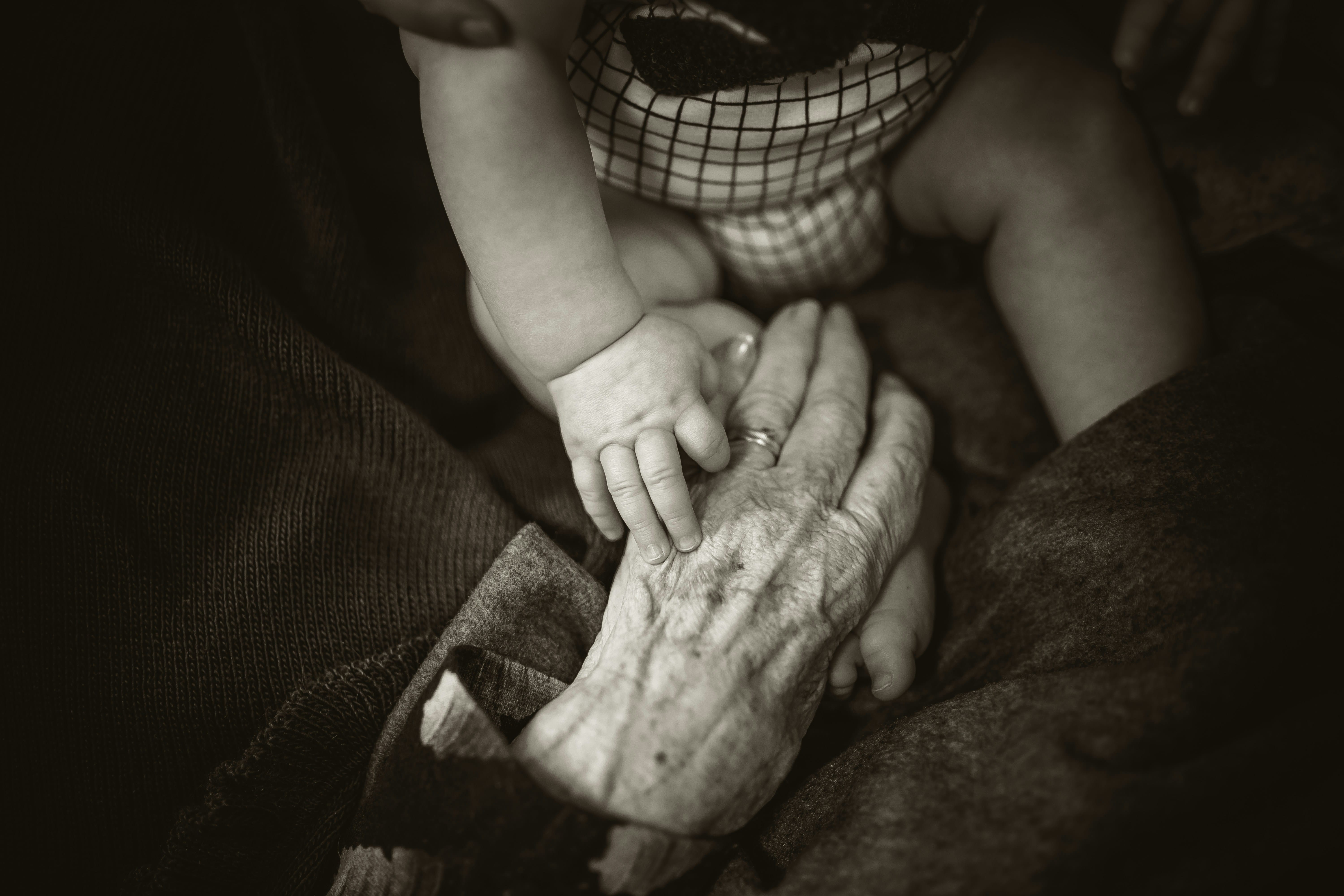
Family constellations didn’t just help me understand my own patterns—they revealed hidden emotional legacies passed down through generations. I saw my story with new eyes. I understood the silence of my grandmother, the rage of my father, the fear in me—not as random traits, but as echoes from the past. It was like stepping into a living map of my ancestry, and for the first time, breaking the cycle.
It was raw. It was powerful. And it changed everything.
What Is Family Constellation Therapy?
Family Constellation Therapy is a systemic approach to healing that helps us understand how generational trauma, unresolved conflicts, and family dynamics continue to influence our present lives. While traditional talk therapy often focuses on individual experiences, thoughts, or behaviors, Family Constellation Therapy looks beyond the surface to explore the invisible emotional and relational patterns that connect us to our family system.
At its core, this approach is based on the idea that families are interconnected systems, where the experiences of one member can ripple through generations. Unresolved grief, hidden secrets, or traumatic events from the past may not stay confined to the individual who experienced them—they can subtly shape the emotional, psychological, and even physical well-being of descendants. For example, a child may unconsciously carry a parent’s unspoken guilt, a grandparent’s unresolved loss, or longstanding family tensions, without ever knowing the source.
The therapy works to bring these hidden dynamics into awareness, allowing participants to see how they may be repeating patterns that are not truly their own. By illuminating these connections, it becomes possible to release emotional burdens, develop healthier relationships, and gain a deeper sense of self-awareness.
Family Constellation Therapy is also highly experiential. It often involves group work or symbolic representation, creating a living map of the family system where unspoken truths and entanglements can be seen, felt, and addressed. This approach is not about assigning blame; rather, it is about understanding and restoring balance within the family system.
Ultimately, Family Constellation Therapy provides a profound opportunity to break free from cycles of trauma, guilt, or dysfunction, allowing individuals to step into a more conscious, empowered, and peaceful way of living—while honoring the experiences of those who came before them.
How Does It Work?
Family Constellation Therapy operates on the principle that unresolved issues from previous generations—traumas, losses, betrayals, or unspoken secrets—can subtly influence the emotional, psychological, and even physical well-being of descendants. These unresolved dynamics often remain unconscious, meaning we may be carrying burdens or repeating patterns without realizing their origins.
A typical Family Constellation session can take place in a group or one-on-one setting with a trained facilitator. Here’s how it generally unfolds:
- Bringing an Issue – Participants identify a personal challenge or recurring life pattern they want to explore. This could range from difficulties in relationships to feelings of guilt, anxiety, or inexplicable life struggles.
- Selecting Representatives – In group settings, the facilitator chooses participants or symbolic objects to represent family members or relevant figures in the client’s life. In private sessions, placeholders such as figurines, chairs, or drawings may be used.
- Observing Hidden Dynamics – As the representatives are placed in the “field” of the constellation, subtle emotional tensions and relational patterns begin to emerge. Body language, instinctive movements, and shifts in energy reveal hidden loyalties, entanglements, or unresolved grief that are influencing the client’s life.
- Revealing Ancestral Patterns – Often, participants experience powerful moments of recognition. For example, a client might see how a parent’s unspoken pain shaped their behavior, or how a grandmother’s loss reverberated through generations. These realizations can illuminate recurring patterns like self-sabotage, difficulty trusting, or emotional suppression.
Revealing Ancestral Patterns – Often, participants experience powerful moments of recognition. For example, a client might see how a parent’s unspoken pain shaped their behavior, or how a grandmother’s loss reverberated through generations. These realizations can illuminate recurring patterns like self-sabotage, difficulty trusting, or emotional suppression. - Reordering and Healing – With guidance, the facilitator may introduce new “movements” or symbolic acts that restore balance to the system. This might include verbal acknowledgment, gestures of reconciliation, or simply allowing emotions to be expressed and witnessed. The process is not about blaming anyone—it’s about recognizing and releasing inherited burdens to restore harmony within the family system.
- Integration – After the session, participants often feel a mix of emotions—relief, clarity, or even grief. The session provides insights and shifts that can continue to ripple through the client’s life long after leaving the room.
Through this structured yet fluid process, Family Constellation Therapy allows participants to see their lives in a broader, multi-generational context. By bringing hidden family dynamics to light, it becomes possible to break cycles that have persisted for decades, or even centuries, and create space for personal freedom and emotional healing.
Spiritual Practice or Psychological Tool?
Family Constellation Therapy occupies a unique space at the intersection of spiritual exploration and psychological insight. For some practitioners and participants, it is experienced as a deeply spiritual or even mystical practice. In this view, the therapy provides access to ancestral wisdom and unseen energies that flow through family systems. It allows individuals to sense, feel, and honor connections with past generations, often bringing a profound sense of reverence, awe, and healing that feels larger than the self.
From a psychological perspective, Family Constellation Therapy can also be understood as a form of systemic psychotherapy. It examines how family dynamics, unresolved trauma, and relational patterns shape an individual’s thoughts, emotions, and behaviors. Just as societal structures influence how we navigate the world, our family systems—both conscious and unconscious—shape how we relate to ourselves and others. By bringing hidden dynamics into awareness, participants can gain insight into recurring struggles and make conscious choices to break harmful patterns.
Many people experience Family Constellation work as both spiritual and psychological simultaneously. They may feel a deep, almost intuitive connection to the unseen family system, while also gaining practical understanding of how these patterns influence relationships, career choices, and emotional health.
Research and anecdotal evidence suggest that this work can be especially transformative for those struggling with:
- Intergenerational trauma – Patterns of grief, loss, or unresolved conflict that have been passed down through generations.
- Difficult family relationships – Tensions, estrangements, or recurring conflicts that feel “stuck” and impossible to resolve.
- Anxiety, depression, and chronic stress – Emotional and physical symptoms that may be linked to unresolved family dynamics or inherited emotional burdens.
- Patterns of self-sabotage or recurring life struggles – Repeating behaviors, limiting beliefs, or relational challenges that seem inherited rather than self-created.
By acknowledging both the psychological mechanisms and the spiritual dimensions, Family Constellation Therapy offers a holistic approach to understanding ourselves in the context of our family lineage. It creates space to release inherited burdens, reconnect with a sense of belonging, and step into a life guided by conscious choice rather than unconscious repetition.
How to It into Your Daily Life
While a single Family Constellation session can be transformative, the real healing happens when the insights gained are consciously integrated into everyday life. Here’s how you can continue the work beyond the session:
- Acknowledge Your Family Story – Reflect on your family history without judgment. Create a timeline or journal about the experiences, patterns, and challenges of your ancestors. Recognizing these patterns helps you see which behaviors and beliefs you may have unconsciously inherited.
- Notice Repeating Patterns – Pay attention to recurring situations, emotional triggers, or relationship dynamics. Ask yourself: Could this be connected to something beyond my immediate life experience? Awareness is the first step toward transformation.
- Practice Letting Go of Unhealthy Loyalties – Often, we remain unconsciously loyal to the struggles of our ancestors, even when it causes us harm. You can create small rituals to release these burdens, such as writing a letter to your ancestor (even if it’s never sent), meditating on freeing yourself, or visualizing a gentle severing of emotional entanglements.
- Cultivate Compassion and Forgiveness – Recognize that your ancestors were doing their best with the circumstances they faced. Cultivating compassion can help dissolve resentment, allowing you to approach your family and yourself with greater understanding and kindness.
- Reframe Relationships – Use insights from constellations to adjust your approach to current relationships. This might mean setting healthier boundaries, choosing empathy over reaction, or consciously breaking destructive cycles in parenting, partnerships, or friendships.
- Incorporate Visualization and Somatic Practices – Regularly visualize sending love, gratitude, or forgiveness to past generations while reclaiming your own personal space and identity. Pay attention to how your body responds, as physical sensations often reflect emotional release and integration.
- Seek Professional Support if Needed – Deep emotions may arise after a session. Working with a trained Family Constellation facilitator, therapist, or coach can help you safely process these feelings and integrate insights in a structured, supportive way.
- Ongoing Reflection – Make it a habit to revisit your family insights periodically. Journaling, meditation, or discussing your experiences in a safe community can reinforce the learning and continue the healing process over time.
By weaving these practices into daily life, the revelations from Family Constellation Therapy become more than a single event—they evolve into lasting emotional freedom, healthier relationships, and a deeper connection with yourself and your lineage.
Final Words
Family Constellation Therapy offers a unique path to understanding and healing the hidden threads that connect us to our ancestors. By exploring these dynamics, we can uncover the roots of recurring patterns, release emotional burdens, and create more freedom and peace in our lives.
If this resonates with you and you feel called to explore your own family patterns or need support on your healing journey, you are not alone. You can reach out to me for guidance, or visit my website timeacoaching.com to learn more about how to begin this transformative work.
Your story is part of a larger tapestry—embracing it with awareness and compassion can open the door to profound healing, both for yourself and for the generations that come after you.
Further Exploration
For those interested in delving deeper into healing and personal development, consider exploring these related articles:
Healing Together – Explores the ways collective and relational healing can transform family dynamics and personal well-being.
The Choice – Offers insights inspired by the book The Choice, guiding readers on making conscious decisions to break free from inherited patterns and embrace personal growth.
Recommended Books
These five best-selling books offer heartfelt guidance on understanding and healing the patterns, traumas, and emotional legacies passed down through generations, providing both insight and practical tools for transformation.
- It Didn’t Start With You: How Inherited Family Trauma Shapes Who We Are and How to End the Cycle by Mark Wolynn – A groundbreaking book on the science of inherited trauma and practical steps for healing.
- My Grandmother’s Hands: Racialized Trauma and the Pathway to Mending Our Hearts and Bodies by Resmaa Menakem – Examines generational trauma from a somatic perspective and offers tools for healing at a deep level.
- Healing Collective Trauma: A Process for Integrating Our Intergenerational and Cultural Wounds by Thomas Hübl – Explores how collective and ancestral trauma affects us and offers tools for healing.
- The Ancestor Syndrome: Transgenerational Psychotherapy and the Hidden Links in the Family Tree by Anne Ancelin Schützenberger – Examines how unresolved family traumas influence our present lives and how to break free.
- Acknowledging What Is: Conversations with Bert Hellinger by Bert Hellinger – A collection of interviews and teachings from the founder of Family Constellation Therapy.
Join the Conversation
🙌 Have you ever explored Family Constellations?
✨ Do you believe generational trauma can affect our lives?
🧚♀️What practices have helped you heal from family wounds?
Share your thoughts in the comments below!






Leave a Reply