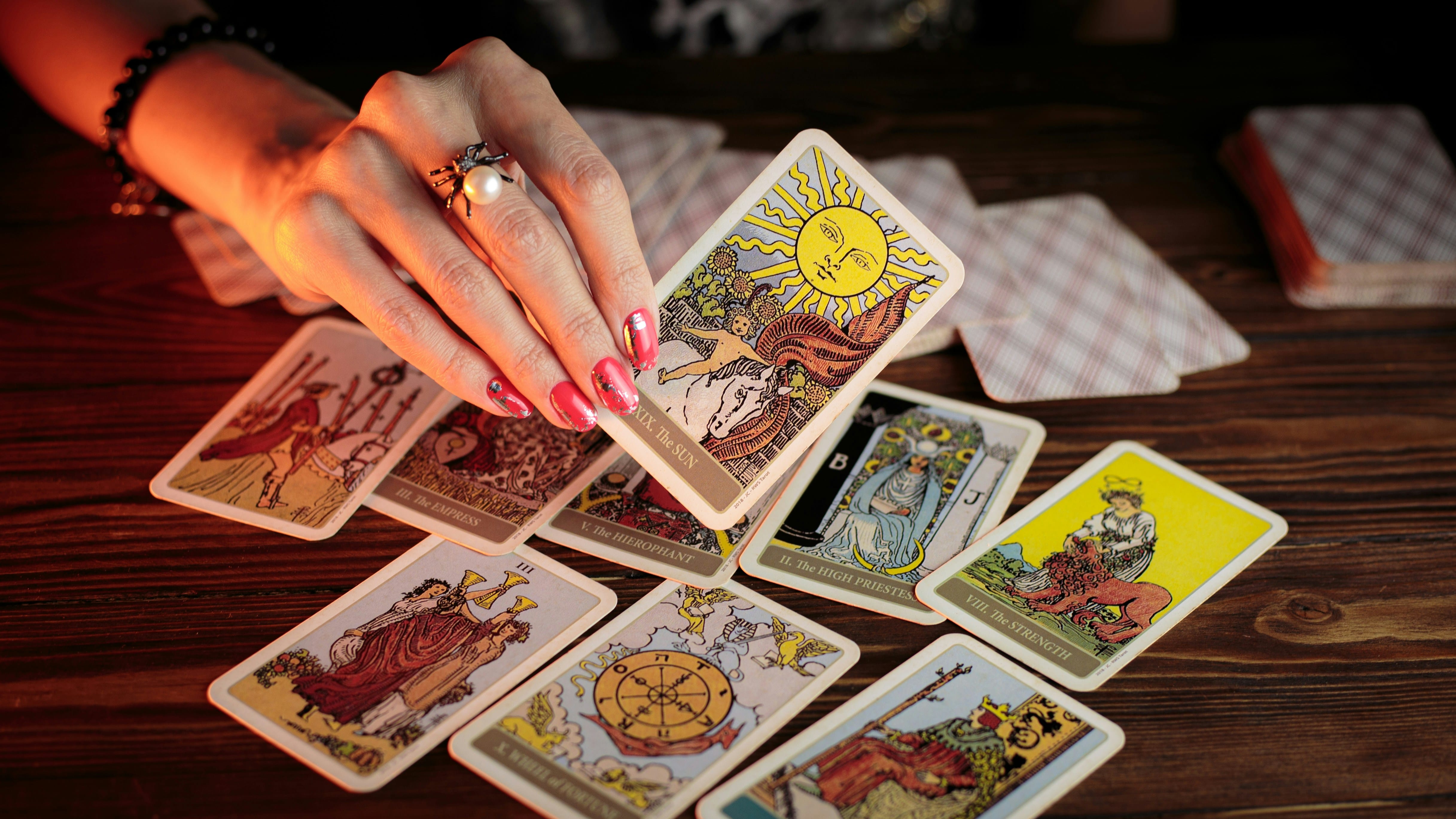
For the longest time, I thought tarot cards belonged in dimly lit rooms filled with crystal balls, candlelight, and mysterious fortune-tellers. They fascinated me—but I never imagined they could become one of my favorite tools for self-discovery and personal growth.
Years ago, one of my friends kept talking about learning tarot. At the time, I didn’t understand the appeal. She worked in a bank—a world of numbers, deadlines, and spreadsheets—and tarot felt like an unexpected hobby for someone like her. Still, her enthusiasm planted a tiny seed in my mind.
Then, one rainy Sunday afternoon, curiosity finally won. I signed up for a tarot course with no expectations. I thought I would simply learn the meanings of a few cards and perhaps try a spread for fun.
What I didn’t expect was that tarot would become a powerful tool for self-reflection.
The more I explored its symbolism, archetypes, and psychological insights, the more I realized that tarot isn’t about predicting the future—it’s about understanding yourself more deeply.
Today, tarot is part of my self-discovery practice. When I feel overwhelmed, lost, or uncertain, I don’t look outside myself for answers—I look within. Sometimes, all it takes is a single card and an honest question to uncover something I needed to see.
Tarot didn’t teach me how to predict my future. It taught me how to better understand my present.
🌙 What Is Tarot Really About?
One of the biggest misconceptions about tarot is that it’s designed to predict the future. In reality, tarot is far more interesting—and far more empowering—than fortune-telling.
Tarot is a tool for self-discovery, reflection, and personal growth. Rather than telling you what will happen next, it invites you to explore what is already happening within you.
Think of tarot as a mirror. Each of the 78 cards symbolizes different emotions, experiences, challenges, and archetypes that are deeply rooted in the human experience. A tarot reading doesn’t give you definitive answers—it helps you ask better questions.
Instead of asking:
- What will happen to me?
Tarot encourages questions such as:
- What patterns in my life deserve my attention?
- What am I avoiding or refusing to see?
- What do I need most right now?
- How can I approach this situation with greater clarity and compassion?
Tarot doesn’t take away your free will or make decisions for you. Its greatest gift is helping you slow down, connect with your intuition, and see yourself more honestly.
The cards don’t predict who you’ll become—they simply help you better understand who you are today.
When approached with curiosity and openness, tarot becomes less about magic and more about mindful self-reflection., and that understanding becomes a powerful driver for personal transformation.
✨ Tarot as a Tool for Self-Discovery
One of the things I love most about tarot is that it encourages us to look inward rather than outward. Instead of searching for answers in other people or external circumstances, it gently invites us to become more curious about ourselves.
Tarot can help you:
- gain greater self-awareness,
- uncover limiting beliefs and emotional patterns,
- strengthen your intuition,
- navigate life’s transitions with more clarity,
- and make decisions that feel more aligned with your values.
In many ways, tarot isn’t so different from journaling, meditation, or therapy. It’s simply another tool for self-reflection—one that speaks through symbols, archetypes, and meaningful questions.
What makes tarot so fascinating is that it often reveals things we already know deep down but haven’t yet allowed ourselves to acknowledge.
Carl Jung, the Swiss psychiatrist and founder of analytical psychology, believed that archetypes are universal symbols that live within all of us. Tarot is rich in these archetypal themes—new beginnings, transformation, intuition, relationships, inner wisdom, and personal growth—which is one of the reasons so many people find the cards surprisingly relatable.
Tarot doesn’t tell you who you are. Instead, it creates space for you to discover who you are becoming.
The more intentionally you work with the cards, the more they become a companion for self-discovery, helping you cultivate greater clarity, compassion, and connection with yourself.
🪞 What Tarot Archetypes Can Teach You About Yourself
One of the most beautiful aspects of tarot is that it reflects universal human experiences. The archetypes represented in the cards are deeply relatable—they embody the fears, strengths, desires, and life lessons we all encounter at different stages of our journey.
Rather than seeing them as mystical characters, I like to think of them as mirrors that reveal different parts of ourselves.
Here are a few of my favorite tarot archetypes and the questions they invite us to explore.
The Fool – Are You Ready to Begin?
The Fool represents new beginnings, courage, and stepping into the unknown. This archetype reminds us that growth often begins before we feel ready.
Ask yourself:
- What am I being called to begin?
- Where am I allowing fear to hold me back?
- What would I do if I trusted myself a little more?
The High Priestess – Are You Listening to Your Intuition?
The High Priestess embodies intuition, inner wisdom, and the answers that quietly live within us.
Ask yourself:
- What is my intuition trying to tell me right now?
- Am I seeking too much external validation?
- What do I already know deep down?
The Empress – How Well Are You Nurturing Yourself?
The Empress represents creativity, abundance, self-care, and emotional nourishment.
Ask yourself:
- Where in my life am I neglecting myself?
- What brings me joy and inspiration?
- How can I create more beauty and balance in my everyday life?
The Hermit – What Needs Your Attention Within?
The Hermit reminds us that solitude isn’t loneliness—it’s an opportunity for self-discovery.
Ask yourself:
- What am I avoiding by constantly staying busy?
- What truths are waiting to be discovered within me?
- Where do I need more reflection and stillness?
The Lovers – Are Your Choices Aligned With Your Values?
Despite its name, The Lovers is often more about conscious choices than romance. It invites us to examine whether our relationships and decisions are aligned with our authentic selves.
Ask yourself:
- Am I living according to my values?
- What kind of relationships am I creating in my life?
- Where am I compromising my authenticity?
The Tower – What Needs to Fall Apart?
The Tower may be one of the most misunderstood tarot cards. While it represents sudden change and disruption, it also symbolizes liberation and transformation.
Ask yourself:
- What am I holding onto that no longer serves me?
- What changes am I resisting?
- Could this ending be creating space for something better?
The Sun – What Brings You Fully Alive?
The Sun represents joy, vitality, authenticity, and clarity. It reminds us that personal growth isn’t only about healing—it’s also about allowing ourselves to experience happiness.
Ask yourself:
- What makes me feel most like myself?
- What am I genuinely grateful for?
- How can I invite more joy into my life?
Tarot archetypes aren’t meant to define who you are. Instead, they offer powerful invitations to reflect on who you are becoming and the lessons that may be unfolding in your life right now.
🌱 Practical Ways to Use Tarot for Personal Growth
Tarot doesn’t have to be complicated or mystical to be meaningful. In fact, some of the most powerful practices are also the simplest. Here are four beautiful ways to use tarot as a tool for self-discovery and personal growth.
1. Pull a Daily Card for Reflection
One of the easiest ways to begin working with tarot is by pulling a single card each day.
Instead of asking, “What will happen today?”, try asking:
- What do I need to pay attention to today?
- What can I learn about myself right now?
- What intention would I like to set for the day?
A daily card pull is less about prediction and more about creating a moment of mindfulness and self-reflection.
2. Start a Tarot Journal
Tarot journaling is one of my favorite ways to deepen self-awareness. Writing down the cards you pull, your emotions, and the insights that arise over time can reveal recurring patterns, limiting beliefs, and areas of personal growth.
Consider journaling:
- the cards you pulled,
- your initial thoughts and emotions,
- what the reading may be inviting you to explore,
- any changes you’ve noticed in yourself over time.
Your tarot journal becomes a beautiful record of your personal journey.
3. Meditate With a Tarot Card
Tarot can also be a wonderful meditation tool. Choose a card that resonates with you and spend a few quiet moments simply observing its imagery and symbolism.
Ask yourself:
- What emotions arise when I look at this card?
- What part of my life does it reflect?
- What might it be trying to teach me?
Sometimes, the answers we’re looking for emerge when we give ourselves permission to slow down and listen.
4. Explore Shadow Work With Tarot
Tarot can gently help us explore the parts of ourselves we tend to avoid—our fears, limiting beliefs, and emotional patterns.
Certain cards, such as The Moon, The Tower, and The Devil, are particularly powerful invitations for deeper self-reflection.
You might ask:
- What am I avoiding right now?
- What fear is holding me back?
- What part of myself needs more compassion and understanding?
Shadow work isn’t about fixing yourself—it’s about understanding yourself more deeply.
Tarot simply provides a symbolic and compassionate way to begin that conversation.
There is no “right” way to practice tarot. Whether you pull one card each morning or spend an hour journaling with a spread, the goal remains the same: to cultivate greater self-awareness, intuition, and personal growth.
🌟 Final Thoughts
Tarot isn’t about predicting the future—it’s about understanding yourself more deeply.
The cards don’t tell you who you are or what will happen next. Instead, they invite you to pause, reflect, and connect with your own inner wisdom.
Whether you pull one card each morning, journal about recurring themes, or explore the archetypes that resonate most with you, tarot can become a beautiful companion on your journey of self-discovery.
Personal growth doesn’t always come from finding new answers. Sometimes, it comes from learning to ask better questions—and being willing to listen to the answers that already live within you.
Looking for support on your self-discovery journey?
If you’d like to explore personal growth, intuition, relationships, or emotional well-being in a safe and supportive space, I’d love to support you. Visit my Talk With Me page to learn more about my one-to-one sessions and discover how we can work together.
✍️ Recommended Articles
Continue exploring intuition, spirituality, and self-discovery with these two inspiring articles.
Faith Over Fear: The Power of Surrendering Your Worries — This post explores how releasing anxiety and embracing trust — whether you call it faith, universal guidance, or deep inner surrender — can transform the way you face daily challenges.
Touched by the Beyond: Life‑Changing Insights from Near‑Death Experiencers — In this article you’ll explore powerful stories and lessons from people who’ve experienced near‑death events.
📚 Recommended Books
Here are five insightful books on tarot, Jungian psychology, and self-discovery.
- Tarot as Your Relationship Therapist by Johanna Bond – A psychological and reflective approach to using tarot as a tool for understanding attachment styles, relationship patterns, and emotional dynamics.
- The Tarot Handbook: Practical Applications of Ancient Visual Symbols by Angeles Arrien – A deep dive into the cards as a tool for psychological insight and spiritual growth.
- Tarot for Your Self: A Workbook for Personal Transformation by Mary K. Greer – An interactive guide that teaches readers how to use the cards for self-reflection and empowerment.
- The Jungian Tarot and Its Archetypal Imagery by Robert Wang – Explores the cards through the lens of Carl Jung’s archetypes and psychological theory.
- Seventy-Eight Degrees of Wisdom: A Tarot Journey to Self-Awareness by Rachel Pollack – A classic book that connects the cards´ symbolism with personal growth and deeper understanding.
🃏 Popular Tarot Decks
If you’re looking for a deck to start your journey, here are some of the most popular and highly rated options available on Amazon:
- Rider-Waite Tarot Deck – The classic and most widely recognized deck, perfect for beginners and experienced readers alike.
- The Wild Unknown Tarot Deck by Kim Krans – A beautifully illustrated deck with a modern, nature-inspired aesthetic.
- The Light Seer’s Tarot by Chris-Anne – A vibrant and intuitive deck that blends traditional symbolism with contemporary artwork.
- The Modern Witch Tarot Deck by Lisa Sterle – A fresh, diverse, and empowering take on Tarot with inclusive representation.
- The Thoth Tarot Deck by Aleister Crowley – A deep and esoteric deck with rich symbolism, ideal for those interested in the mystical aspects of the cards.
These decks offer a range of styles and interpretations, allowing you to choose one that resonates with your personal journey.
💬 Let’s Talk in the Comments
🌙 Have you ever tried tarot? What was your first experience like?
💫 How do you connect with your intuition on a regular basis?
🔍 What kind of guidance are you seeking right now in your life?





Leave a Reply