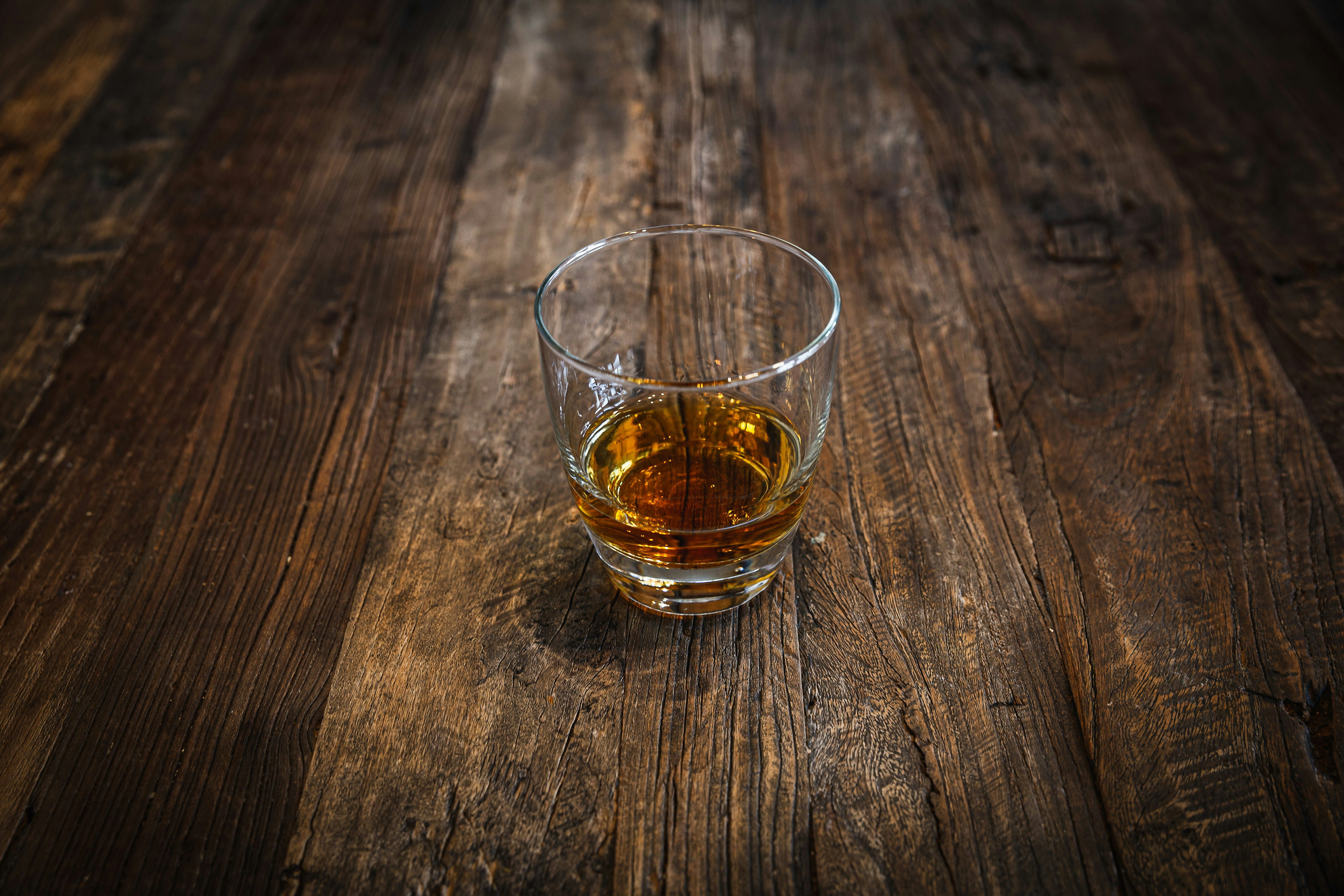
For years, I considered myself a “normal” drinker. I wasn’t drinking excessively or using alcohol to escape every difficult emotion. A glass of wine after work, a cocktail with friends, or a drink while traveling felt like a perfectly ordinary part of adult life.
Yet I kept noticing something that I couldn’t quite explain. The morning after drinking—even if I’d only had one or two drinks—I didn’t just feel physically tired. I felt emotionally different. Less motivated. More anxious. More emotionally fragile.
At first, I blamed stress, poor sleep, hormones, or simply having a difficult week. It never occurred to me that alcohol could be influencing my emotional wellbeing so significantly.
What surprised me most was discovering that I didn’t need to have a drinking problem for alcohol to affect my mental health. Even moderate drinking can influence our mood, sleep quality, stress levels, and our ability to regulate difficult emotions.
We often think of alcohol as something that helps us relax, socialize, or take the edge off a stressful day. And in the short term, it can certainly feel that way. The problem is that alcohol is borrowing tomorrow’s emotional resources to make us feel better today.
What feels calming in the moment can sometimes leave us feeling emotionally depleted, anxious, or low the following day—creating a subtle cycle that’s easy to overlook.
This article isn’t about convincing you to quit drinking forever or making alcohol the villain of the story. It’s simply an invitation to become more curious about the relationship between alcohol and emotional wellbeing—and to explore whether your body and mind might be asking for something different.
Sometimes, feeling better isn’t about adding another self-help practice to your life. Sometimes, it’s about removing the things that quietly keep us from feeling our best.
🌱 Why Alcohol Affects Your Mood More Than You Think
Most people are aware that alcohol can cause hangovers, dehydration, or poor decision-making. What many of us don’t realize is just how significantly it can influence our emotional wellbeing—even when we’re drinking moderately.
Alcohol doesn’t only affect how we feel while we’re drinking. Its impact often continues long after the last sip, influencing our mood, energy levels, emotional resilience, and stress response well into the following day.
One of the reasons this connection is so easy to miss is that the effects are often subtle. You may simply notice that you’re feeling:
- less motivated,
- more emotionally sensitive,
- unusually anxious,
- mentally foggy,
- irritable or impatient,
- emotionally flat or disconnected.
Because these feelings don’t necessarily resemble a traditional hangover, we tend to attribute them to work stress, poor sleep, hormones, or life circumstances instead.
Alcohol is often marketed—and culturally accepted—as a tool for relaxation and celebration. We open a bottle of wine after a difficult day, enjoy cocktails while socializing, or use alcohol to help us “switch off” and unwind.
The irony is that while alcohol may temporarily reduce emotional discomfort, it often makes emotional regulation more difficult afterward.
Many people are surprised to discover that alcohol can amplify some of the very things they’re trying to soothe, including:
- stress,
- anxiety,
- low mood,
- emotional overwhelm,
- sleep disturbances, and
- nervous system dysregulation.
If you’ve ever wondered why you feel emotionally “off” after drinking—even if you haven’t consumed very much—there is a biological explanation for it.
Alcohol affects neurotransmitters that play an essential role in mood regulation, interferes with restorative sleep, and temporarily alters the way your brain and nervous system function. While the initial effects may feel relaxing, your body eventually works hard to restore balance once the alcohol leaves your system.
In many ways, alcohol creates what feels like emotional debt. It gives us temporary relief in exchange for borrowing emotional resources from the future.
The good news is that our brains and bodies are remarkably resilient. Becoming more aware of how alcohol affects your emotional wellbeing isn’t about judgment or restriction—it’s simply about giving yourself the information needed to make choices that genuinely support your mental health.
Sometimes, what we interpret as anxiety, burnout, or emotional exhaustion may simply be our body asking for a little more care and a little less alcohol.
🧠 The Science Behind Alcohol and Emotional Wellbeing
If you’ve ever wondered why alcohol can leave you feeling emotionally depleted the next day, the answer lies in how it affects your brain, nervous system, and hormones. While alcohol may temporarily make us feel calmer or more sociable, our bodies pay a price for that short-lived sense of relief.
Understanding what happens behind the scenes can help us make more informed and compassionate choices about our relationship with alcohol.
Dopamine: The Temporary High
Alcohol temporarily increases dopamine—the neurotransmitter associated with pleasure, reward, and motivation. This is one of the reasons drinking can initially feel enjoyable and relaxing.
Unfortunately, what goes up must come down.
After alcohol leaves your system, dopamine levels can temporarily dip below their normal baseline. This may leave you feeling:
- emotionally flat,
- less motivated,
- low in energy,
- irritable, or
- generally “off.”
Over time, regularly relying on alcohol for pleasure or stress relief can make it more difficult for your brain to experience those same positive feelings naturally.
Emotional Regulation Takes a Hit
Our brains are constantly working to help us regulate emotions and respond appropriately to stress. Alcohol interferes with this delicate balance.
While drinking may temporarily numb uncomfortable feelings, it doesn’t actually process or resolve them. In fact, alcohol can make it more difficult for us to:
- manage stress effectively,
- recover emotionally after difficult experiences,
- remain emotionally resilient, and
- feel grounded during challenging moments.
This is one of the reasons people often describe feeling more emotionally sensitive or reactive after drinking.
Alcohol Disrupts Restorative Sleep
One of alcohol’s most underestimated effects is its impact on sleep quality.
Although alcohol may help some people fall asleep faster, it significantly disrupts the restorative stages of sleep that are essential for emotional wellbeing.
Quality sleep plays an important role in:
- emotional processing,
- mood regulation,
- stress recovery,
- cognitive clarity, and
- nervous system regulation.
When these processes are disrupted, it’s much more difficult to feel emotionally balanced the following day.
Many people notice that after drinking—even moderately—they wake up feeling:
- mentally foggy,
- anxious,
- emotionally fragile,
- tired despite sleeping for several hours, or
- unusually unmotivated.
Hormones and Stress Levels Change, Too
Alcohol also affects several hormones and neurotransmitters that influence how we feel emotionally. It can temporarily alter stress hormones and disrupt the systems responsible for helping us feel calm, focused, and emotionally stable.
For individuals already experiencing chronic stress, burnout, hormonal fluctuations, or anxiety, these effects can feel even more pronounced.
Your Brain Loves Stability
One of the most beautiful things about the human body is its ability to restore balance when we support it consistently.
Our brains thrive on stability—good sleep, nourishing food, meaningful connection, movement, and healthy ways of regulating emotions. Alcohol temporarily interrupts many of those processes, even when consumed casually or socially.
Understanding the science behind alcohol isn’t about creating fear or guilt. It’s about recognizing that our emotional wellbeing is deeply connected to our physical wellbeing.
The better we understand what our bodies need to feel safe, regulated, and emotionally resilient, the easier it becomes to make choices that genuinely support our mental health.
🌿 The Quiet Cycle of Drinking to Cope
One of the reasons alcohol’s impact on mental health can be so difficult to recognize is that the cycle is often subtle. Many people who experience it wouldn’t describe themselves as having a drinking problem. They simply use alcohol in the same way that millions of people do—to relax, celebrate, socialize, or unwind after a stressful day.
The problem isn’t necessarily how much we drink. Sometimes, it’s why we drink.
When life feels overwhelming, alcohol can offer temporary relief. It allows us to switch off for a few hours and take a break from difficult emotions or mental exhaustion. Unfortunately, what begins as a coping mechanism can quietly become part of the problem we’re trying to solve.
The cycle often looks something like this:
- You feel stressed, anxious, lonely, or emotionally overwhelmed.
- You have a drink to relax and feel better.
- Your sleep quality suffers and your mood drops the following day.
- You feel emotionally depleted, unmotivated, or more anxious than before.
- You crave another opportunity to unwind or escape uncomfortable feelings.
- The cycle repeats itself.
What’s particularly challenging is that alcohol doesn’t need to be consumed excessively for this pattern to develop. Even occasional or moderate drinking can contribute to emotional ups and downs that are easy to attribute to other areas of life.
Many of us are never taught healthy emotional regulation strategies. Instead, we’re encouraged—both socially and culturally—to numb discomfort whenever possible. Alcohol happens to be one of the most socially acceptable ways of doing so.
Yet emotions aren’t problems that need to be numbed or eliminated. More often than not, they’re invitations to slow down and pay attention to what our minds and bodies are trying to communicate.
I’ve come to realize that one of the greatest gifts we can give ourselves is learning how to sit with discomfort rather than immediately trying to escape it. Stress, sadness, boredom, loneliness, and anxiety are all part of being human. They don’t necessarily require fixing—they often simply require compassion and healthy support.
Asking ourselves a few gentle questions can be incredibly revealing:
- Am I drinking because I genuinely enjoy it, or because I need relief?
- What emotions am I trying to avoid or soften?
- What do I actually need right now?
- If alcohol wasn’t available, how would I choose to care for myself in this moment?
Sometimes, the answer isn’t another drink. Sometimes it’s rest, connection, movement, nourishment, or simply allowing ourselves to feel what we’re feeling without judgment.
Becoming more mindful of why we drink isn’t about shame or rigid rules. It’s about developing a more compassionate and conscious relationship with ourselves—one that prioritizes genuine emotional wellbeing over temporary relief.
Emotional balance doesn’t come from numbing what we feel. It comes from learning how to support ourselves through what we feel.
🌱 Healthier Ways to Support Your Mental Health
If alcohol has become one of your go-to ways to relax or cope with difficult emotions, there’s absolutely no shame in that. Most of us are simply trying to feel better with the tools we’ve been given. The good news is that there are many healthier and more sustainable ways to support your emotional wellbeing—ones that nourish your nervous system rather than temporarily numbing it.
The goal isn’t perfection or never feeling stressed again. It’s about gradually building habits that help you feel calmer, more resilient, and more connected to yourself.
Move Your Body
Physical movement is one of the most effective tools we have for supporting mental health. Exercise naturally boosts mood-regulating chemicals in the brain, reduces stress, and helps discharge emotional tension from the body.
This doesn’t have to mean intense workouts or spending hours at the gym. Sometimes, a gentle walk outside can do wonders for your emotional state.
Consider:
- taking a short walk after work,
- stretching while listening to music,
- practicing yoga or mindful movement,
- dancing in your living room,
- or simply spending more time outdoors.
Small amounts of movement practiced consistently can have a remarkable impact on emotional wellbeing.
Practice Mindfulness and Meditation
One of the reasons alcohol feels so appealing is that it offers a temporary sense of relief from our thoughts and emotions. Mindfulness offers something different—it teaches us how to be present with ourselves without needing to escape.
Even a few minutes of mindful breathing or meditation each day can help regulate your nervous system and improve emotional resilience over time.
Remember, mindfulness isn’t about stopping your thoughts. It’s about changing your relationship with them.
Reach Out Instead of Withdrawing
Human beings are wired for connection. Yet when we’re stressed or emotionally overwhelmed, we often isolate ourselves or reach for coping mechanisms that leave us feeling even more disconnected.
Sometimes what we truly need is:
- a meaningful conversation,
- a walk with a friend,
- emotional support,
- or simply the reassurance that we’re not alone.
Connection is one of the most powerful forms of nervous system regulation available to us.
Create New Rituals for Relaxation
For many people, alcohol isn’t only about the chemical effects—it’s also about the ritual. Lighting a candle, pouring a glass of wine, and signaling the end of a busy day can feel comforting.
Consider replacing the ritual rather than simply removing it.
You might try:
- herbal tea in your favorite mug,
- a relaxing evening skincare routine,
- reading before bed,
- listening to calming music,
- journaling,
- or taking a warm bath.
Relaxation doesn’t have to come from intoxication.
Make Space for Creativity and Joy
Creativity is one of the healthiest emotional outlets we have. Painting, writing, cooking, gardening, photography, or playing music can help us process emotions while bringing more joy and presence into our lives.
We often underestimate how healing it can be to create something simply because it feels good to do so.
Support Your Body, Support Your Mind
Our emotional wellbeing is deeply connected to how we care for our bodies. Quality sleep, nourishing food, hydration, and regular movement all play an important role in how emotionally resilient we feel from day to day.
Sometimes, improving our mental health isn’t about finding another complicated solution—it’s about consistently meeting our most basic needs with compassion and care.
Learning healthier ways to cope isn’t about depriving yourself of comfort. It’s about discovering forms of comfort that genuinely support your emotional wellbeing, both today and tomorrow.
✨ Final Thoughts
Our relationship with alcohol is often far more complex than simply how much—or how often—we drink. Sometimes, it’s connected to stress, loneliness, social expectations, or the simple desire to feel better at the end of a long day.
Becoming more mindful of how alcohol affects your mental and emotional wellbeing isn’t about labeling yourself or committing to lifelong sobriety. It’s about curiosity. It’s about paying attention to how you feel—physically, emotionally, and mentally—and giving yourself permission to make choices that genuinely support your wellbeing.
If there’s one thing I’ve learned, it’s this:
Feeling better doesn’t always come from adding more things into your life. Sometimes, it comes from removing the things that quietly drain your energy and emotional resilience.
Alcohol may offer temporary relief, but true emotional balance is built through the small, everyday choices that help us feel safe, connected, and supported. Quality sleep, meaningful relationships, movement, creativity, mindfulness, and nervous system regulation may not offer instant gratification—but they provide something far more valuable: lasting wellbeing.
You don’t need to hit rock bottom to reconsider your relationship with alcohol. You’re allowed to become curious about how even small lifestyle changes might influence your mood, energy levels, and overall mental health.
Taking a break from drinking—even for a few weeks—can be an incredibly illuminating experience. Many people are surprised by how much clearer, calmer, and more emotionally balanced they feel when alcohol is temporarily removed from the equation.
This isn’t about restriction or deprivation. It’s an invitation to ask yourself a simple question:
“What helps me feel most like myself?”
The answer may be different for everyone, and that’s perfectly okay.
If you’d like support in creating healthier coping strategies, improving your emotional wellbeing, or navigating lifestyle changes with greater self-awareness and compassion, you’re warmly invited to explore my one-to-one conversations through the Talk With Me page.
Your mental health deserves the same care and attention that you give to every other area of your life.
🌿 Recommended Articles
Modern Depression: How It Shows Up Today – This article explores how depression manifests in subtle, modern forms—like burnout, emotional numbness, irritability, or lack of motivation—and how our current lifestyles make these patterns more common.
From Panic to Peace – A gentle, practical guide that walks you through transforming anxiety patterns into calm, grounded emotional responses using mindfulness, breathwork, and self-awareness.
📚 Recommended Books
Here are five insightful books that explore alcohol, emotional wellbeing, and building healthier coping strategies.
- This Naked Mind: Control Alcohol, Find Freedom, Discover Happiness & Change Your Life by Annie Grace – A science-backed guide to breaking free from alcohol’s grip without relying on willpower.
- Quit Like a Woman: The Radical Choice to Not Drink in a Culture Obsessed with Alcohol by Holly Whitaker – A powerful and inspiring read that challenges the societal norms around drinking.
- Alcohol Explained by William Porter – A deep dive into the psychological and physiological effects of alcohol and how to regain control.
- The Unexpected Joy of Being Sober by Catherine Gray – A relatable, engaging book that highlights the benefits of an alcohol-free lifestyle.
- We Are the Luckiest: The Surprising Magic of a Sober Life by Laura McKowen – A moving memoir about the beauty and transformation that comes from choosing sobriety.
💬 Reflection Questions
🌿 Have you ever noticed a connection between alcohol and your mood or energy levels?
💛 What healthier rituals help you relax and unwind after a stressful day?
✨ What is one small change you could make this week to support your emotional wellbeing?





Leave a Reply