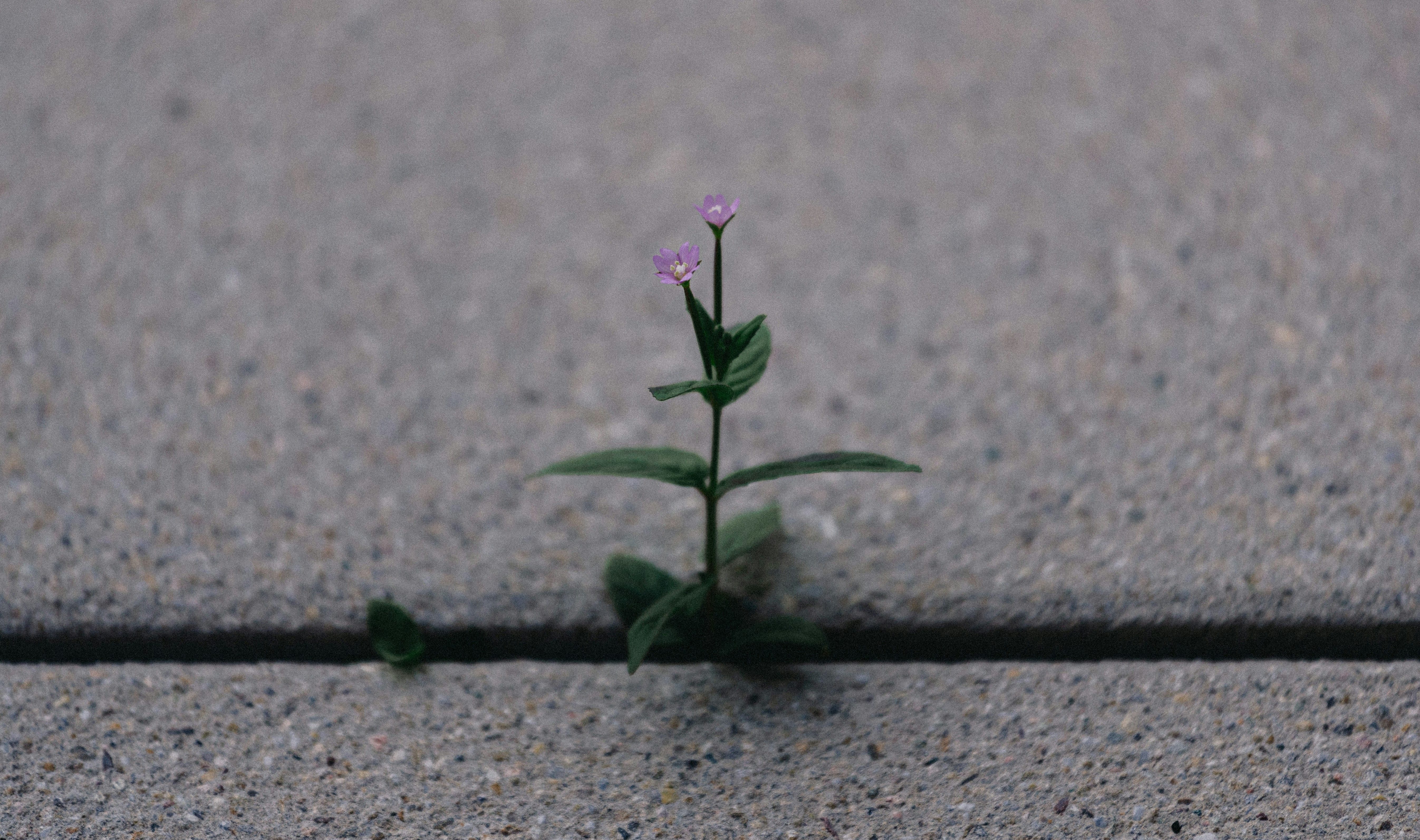
For a long time, I knew I was choosing safety over soul. I stayed in places, jobs, and relationships that didn’t align with who I really was—because they felt secure. I clung to stability like a life raft, ignoring the quiet voice inside me that whispered, this isn’t yours.
Deep down, I sensed that a collapse was inevitable. But when it finally came, it still knocked the breath out of me.
At 36, I returned with no job, no partner, no stable home. My things were boxed up at my grandma’s. I had lost 30% of my savings—money I had worked hard for, gone in a flash. Most of my close family was gone, and any illusion of control along with it. I had nothing to hold onto but myself.
Letting go of everything I had built up until then—careers, cities, identities—was like peeling off a second skin. Painful. Necessary.
But here’s what I know now: sometimes, your breakdown is really your breakthrough.
Piece by piece, I rebuilt from zero. This time, with truth. With intention. With courage I didn’t know I had. And what I’ve created since is a life that feels like me—not a performance, not a checklist, not a mask to fit someone else’s expectations.
Today, I am the most authentic, grounded, and strongest version of myself I’ve ever been. And if you’re standing in your own ruins, just know—your foundation is still beneath you. You’re not broken. You’re being remade.
🔥 The Cycle of Strength: Why It Matters Now
There’s a saying:
“Hard times create strong people. Strong people create good times. Good times create weak people. And weak people create hard times.”
It’s a cycle seen throughout history, in societies, families, and individuals. But it’s not just a theory—it’s a lived experience.
When life breaks you down, you have two choices: collapse or rise. Strong people are those who choose to rise, despite the pain. And choosing to rise is never easy. It takes patience, self-compassion, and the willingness to look at yourself honestly, even when it hurts.
💪 What Makes Someone a Strong Person?
Strength isn’t about fearlessness. Strong people feel fear—but they keep moving anyway. They speak truth even when it’s hard. They carry kindness like armor.
Here are some traits of strong people:
- They take radical responsibility for their lives.
- They can hold space for discomfort without numbing it.
- They set clear boundaries with love, not aggression.
- They rise again, even after setbacks.
Strength is not domination or toughness. It’s resilience in the face of chaos—and compassion in the face of fear.
🧠 Why We’re Becoming More Sensitive—and Why It Matters
In today’s world, sensitivity is rising—and not by accident. We live in an era of increasing comfort, automation, and safety. While this has many benefits, it also means we’re often shielded from discomfort, failure, and real risk. And when we don’t build tolerance for life’s natural challenges, we become more fragile.
Think of it like this: muscle grows when stressed, not when pampered. The same is true of emotional and psychological strength. Without struggle, we lose resilience. This is why many people—especially in younger generations—are finding themselves overwhelmed by everyday setbacks. Not because they’re weak, but because they’ve never been trained to be strong.
🧒 The Over-Protected Future
Overprotection can lead to under-preparedness.
When children grow up in ultra-curated, fail-proof environments, they don’t learn how to manage frustration, rejection, or failure. They miss out on developing the core traits that strong people embody: grit, adaptability, and emotional regulation.
If every fall is cushioned, they may never learn how to stand up on their own.
But this isn’t about blame—it’s about awareness. Because sensitivity, when paired with strength, can become a superpower. The goal isn’t to raise hard people, but resilient and sensitive people. People who feel deeply and can withstand life’s storms.
✅ How to Reverse the Trend
- Let people struggle a little—don’t rescue too quickly
- Teach emotional regulation, not emotional suppression
- Embrace discomfort as a teacher, not an enemy
- Model strength paired with softness
- Create space to practice self-soothing and inner stability
🔧 How to Grow Stronger During Hard Times
If you’re in a difficult chapter of life, cultivating inner strength is essential—but it’s just as important not to lose yourself in the process. Here are practical ways to build resilience, presence, and self-trust while navigating challenges:
1. Reframe the Pain
Pain, loss, and struggle are never easy—but they can be teachers if we allow them to be. Instead of asking, Why is this happening to me? try asking:
What might this be preparing me for? What lesson is hidden here?
✅ Practice: Journal every evening for a week. Don’t just focus on what’s hard—write about what you’re learning, what you’re noticing about yourself, and the small moments of growth, courage, or insight that appear in the day. Over time, this practice shifts your perspective from victimhood to agency, helping you see challenges as opportunities rather than setbacks.
2. Build Mental Muscles Daily
Strength isn’t something you suddenly find—it’s a habit you cultivate over time. Just as your body grows stronger when you exercise, your mind and emotional resilience grow when you challenge them.
✅ Practice: Start your day with intentional discomfort. This could be a cold shower, a physically challenging workout, or 10 minutes of silence and reflection. The goal isn’t punishment—it’s training your nervous system to tolerate stress, your mind to stay present, and your heart to remain steady.
You can also incorporate micro-challenges throughout the day: speak up in a meeting even when it feels uncomfortable, tackle a difficult conversation, or simply pause and breathe deeply when anxiety arises. Each intentional choice builds mental grit and emotional endurance.
3. Speak Like a Leader
Strength shows up in how we use our voice. Strong people speak from truth, not trauma. They communicate from a place of clarity, compassion, and integrity, rather than fear, resentment, or ego.
✅ Practice: Before speaking—whether in a meeting, at home, or in a difficult conversation—pause and ask yourself:
“Is this aligned with who I want to become? Does this reflect my values and intentions?”
This small pause cultivates self-awareness, prevents reactive behavior, and ensures your words serve growth instead of creating chaos. Over time, this practice strengthens your presence and influence, making you a force of calm and clarity in the storm.
4. Don’t Mistake Softness for Weakness
Strength is often confused with toughness, rigidity, or relentless endurance—but true strength is sustainable and balanced. Compassion, empathy, rest, and gentleness are not weaknesses—they are tools that replenish your energy, protect your boundaries, and allow you to show up fully for yourself and others.
✅ Practice: Give yourself permission to rest without guilt. Take breaks when you need them, nurture your body with good food and movement, and prioritize activities that restore your mind and spirit. Remember: the strongest people don’t burn out—they refuel. Softness paired with resilience is a power that endures through the hardest storms.
5. Integrate and Reflect
The real growth happens when these practices are integrated into daily life. Strength without reflection can become rigid; softness without structure can become scattered.
✅ Practice: At the end of each week, reflect:
- What moments tested my courage?
- Where did I choose strength over fear?
- Where did I show myself compassion without judgment?
Journaling, meditation, or quiet reflection can help you connect the dots between effort and growth, reminding you that every small step compounds into lasting resilience.ong don’t burn out—they refuel.
🌱 My Turning Point & Final Words
After those difficult months, something shifted. I didn’t “fix” my life overnight—but I became someone I genuinely liked living with. I learned how to rely on myself, rebuilt not just my routines, but my identity, and discovered a strength I hadn’t known I had. Now, I travel alone, coach people through their own storms, and hold space for pain, growth, and transformation.
The world doesn’t need perfect people—it needs authentic people who are willing to do the hard work of healing, showing up fully, and helping others. And if you’re reading this? Maybe you’re one of them.
If you’re standing in the rubble of your own life, know this: the foundation is still beneath you. You are not broken—you are being remade. Strength isn’t about avoiding pain—it’s about rising, over and over, even when it feels impossible. Sensitivity isn’t weakness—it’s the capacity to feel deeply while navigating life’s storms.
Your challenges are not your defeat. They are your classroom. Your resilience is your teacher. And your soul, when you finally listen to it, is your guide home.
Keep rising. Keep feeling. Keep becoming.
✨ Related Reads
🌀 Power and Sensitivity
Discover how your sensitivity is not a weakness, but a hidden superpower—especially in challenging times.
💪 Unshakable Confidence
Learn practical tools to rebuild your inner strength and show up as your most grounded, resilient self.
Ready to go deeper? Visit timeacoaching.com for private coaching support and healing guidance.
📚 Here are five best-selling books on strong people:
📘 Can’t Hurt Me by David Goggins – A raw, unfiltered look at turning pain into power and embracing your inner warrior.
📙 The Obstacle Is the Way by Ryan Holiday – Ancient Stoic wisdom for facing modern challenges.
📗 Grit by Angela Duckworth – The science of passion and perseverance.
📕 Man’s Search for Meaning by Viktor Frankl – A powerful memoir of resilience and finding meaning in suffering.
📓 Atomic Habits by James Clear – Strength begins with small, consistent changes.
💬 Questions for Reflection
🧠 What’s one hardship that made you stronger, even if it didn’t feel like it at the time?
💪 What does being a “strong person” mean to you?
🔥 Where in your life could you choose strength over comfort right now?
Your voice might be exactly what someone else needs to hear. If you feel like, drop your thoughts in the comments below!






Leave a Reply