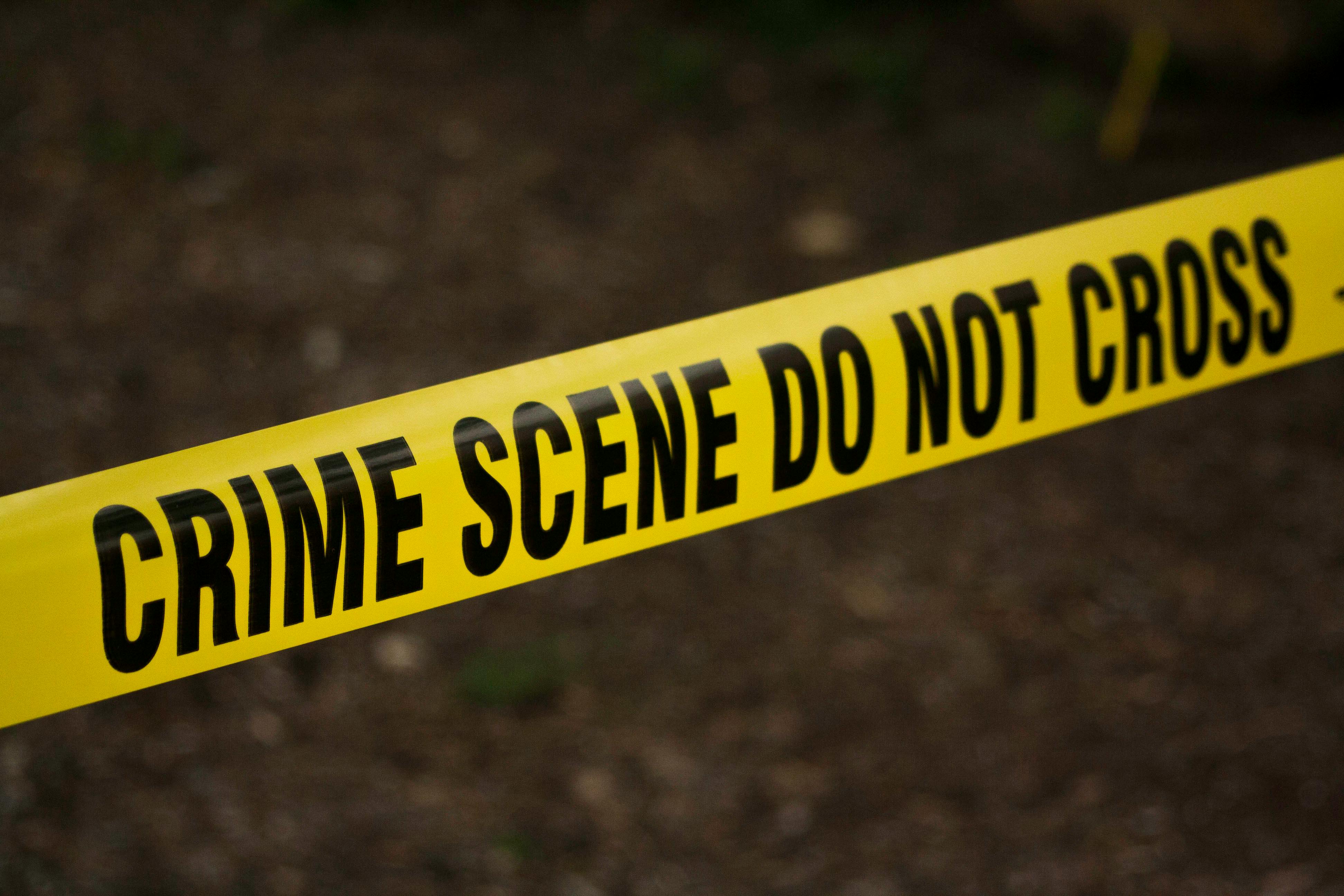
About three years ago, I found myself deeply immersed in the world of true crime documentaries.
Every evening, like clockwork, I’d curl up on the couch, remote in hand, and press play. One episode turned into three. Before I knew it, I was hooked on 48 Hours, Netflix docuseries, and criminal psychology breakdowns. The darker the case, the more it pulled me in—the minds of killers, the chilling calm of psychopaths, the unraveling of seemingly ordinary lives—it all captivated me.
What started as casual curiosity slowly became a nightly ritual.
I told myself it was just entertainment. But deep down, I knew it was more than that.
I’ve always been fascinated by human behavior—especially the parts we’re not supposed to look at. I wasn’t trying to excuse the actions. I wanted to understand them. Why do people do the things they do, even when it defies reason or morality? That question echoed quietly inside me.
In a world that often rushes past pain, true crime makes us pause. It reminds us that every headline was once a heartbeat. Behind every case, there were lives, love, and loss.
And maybe, by witnessing the darkest parts of humanity, we’re really learning how to hold onto the light—with more empathy, more awareness, and a deeper reverence for what it means to be human. It also teaches us to appreciate what we have and to value the present moment, because sometimes, it’s in the darkest stories that we truly grasp the significance of what we hold dear in our own lives.
🧠 The Psychology Behind Our Fascination with True Crime
Our obsession with true crime isn’t just about suspenseful storytelling or shocking twists—it’s deeply psychological. Human beings are wired to understand the world around them, especially things that feel threatening or emotionally intense. True crime stories activate this curiosity and give us an opportunity to explore the edges of human behavior… from a safe distance.
🔍 A Desire to Understand the Human Mind
At its core, true crime taps into our desire to understand why people do what they do—especially when their actions seem unthinkable. What makes someone capable of murder? Why do people manipulate, deceive, or destroy? These questions are not just morbid curiosity—they reflect a deep drive to make sense of the extremes of human nature. By studying the motives, childhoods, traumas, and decisions of those who commit crimes, we try to decode what went wrong.
This doesn’t mean we sympathize with the perpetrators—it means we’re trying to understand the parts of humanity we often don’t talk about. The shadow. The parts that are uncomfortable to face.
🛡️ A Sense of Safety and Preparedness
Oddly enough, watching or listening to true crime content can actually make us feel safer. How? It gives us a sense of control. When we hear about how someone got scammed, stalked, or attacked, we subconsciously start building mental checklists:
- “I’d never open the door to a stranger like that.”
- “I should trust my gut more.”
- “I need to be careful who I date.”
By immersing ourselves in worst-case scenarios, we may feel better prepared to avoid danger in our own lives. Research supports this idea, too: many people—especially women—report watching true crime because it helps them learn how to protect themselves.
🧠 It’s a Way to Process Fear
Fear is a natural human emotion, and in modern life, we often suppress it. True crime gives us a container—a “safe” way to engage with danger without being directly involved. It’s like riding a roller coaster: we’re scared, but we know we’re not really in danger.
By watching how justice is pursued (or sometimes not), we also process some of our own questions about fairness, revenge, morality, and justice. It’s cathartic. It allows us to feel and release real emotions through storytelling.
🎭 Empathy and Compassion
True crime also allows us to deeply connect with victims—their stories, their lives, and their struggles. Many modern documentaries are becoming more victim-focused, telling their stories with dignity and highlighting systemic issues like domestic abuse, racial bias, or gaps in mental health care.
This can expand our compassion and push us to advocate for change. The best true crime stories are not just about horror—they’re about humanity.
⚖️ Ethical Considerations: Where Do We Draw the Line?
As we consume these stories, it’s important to pause and ask: At what point does curiosity become exploitation?
Behind every case is a real human life—someone’s daughter, son, partner, or parent. When documentaries dramatize their trauma or online creators speculate recklessly, it can retraumatize families and turn real suffering into entertainment.
Here’s how we can stay mindful:
- Be critical of content that sensationalizes violence or glorifies the perpetrator.
- Seek stories that center victims, survivors, and justice.
- Remember that grief doesn’t end when the episode does. Respect is always more important than ratings.
🧭 In Summary
Our fascination with true crime is complex—but not wrong. It reflects a desire to understand, protect, process, and connect. And when consumed thoughtfully, it can even inspire empathy, awareness, and real-world change.
It’s not about being obsessed with darkness. It’s about becoming more conscious in the light.
📚 Further Reading
💔 Love Scammers: Warning Signs
This article delves into the psychological tactics employed by love scammers and offers guidance on recognizing and avoiding such manipulative relationships.
⚠️ Beyond the Butterflies: Warning Signs
Explore the subtle red flags in relationships that often go unnoticed, helping you make informed decisions in matters of the heart.
Recommended Books
Here are five best-selling books on true crime:
- I’ll Be Gone in the Dark by Michelle McNamara – A gripping account of the Golden State Killer and the author’s relentless pursuit to uncover his identity.
- Mindhunter by John E. Douglas and Mark Olshaker – An exploration into the FBI’s elite serial crime unit and the development of criminal profiling.
- The Stranger Beside Me by Ann Rule – A chilling narrative of the author’s personal connection to serial killer Ted Bundy.
- In Cold Blood by Truman Capote – A pioneering work in the true crime genre detailing the brutal murder of a Kansas family.
- The Five by Hallie Rubenhold – A compassionate look into the lives of Jack the Ripper’s victims, challenging long-held misconceptions.
💬 Join the Conversation
📺 What draws you to true crime stories?
💭 Have you ever felt conflicted about your interest in this genre?
❤️🩹 How do you balance curiosity with empathy for the victims?





Leave a Reply