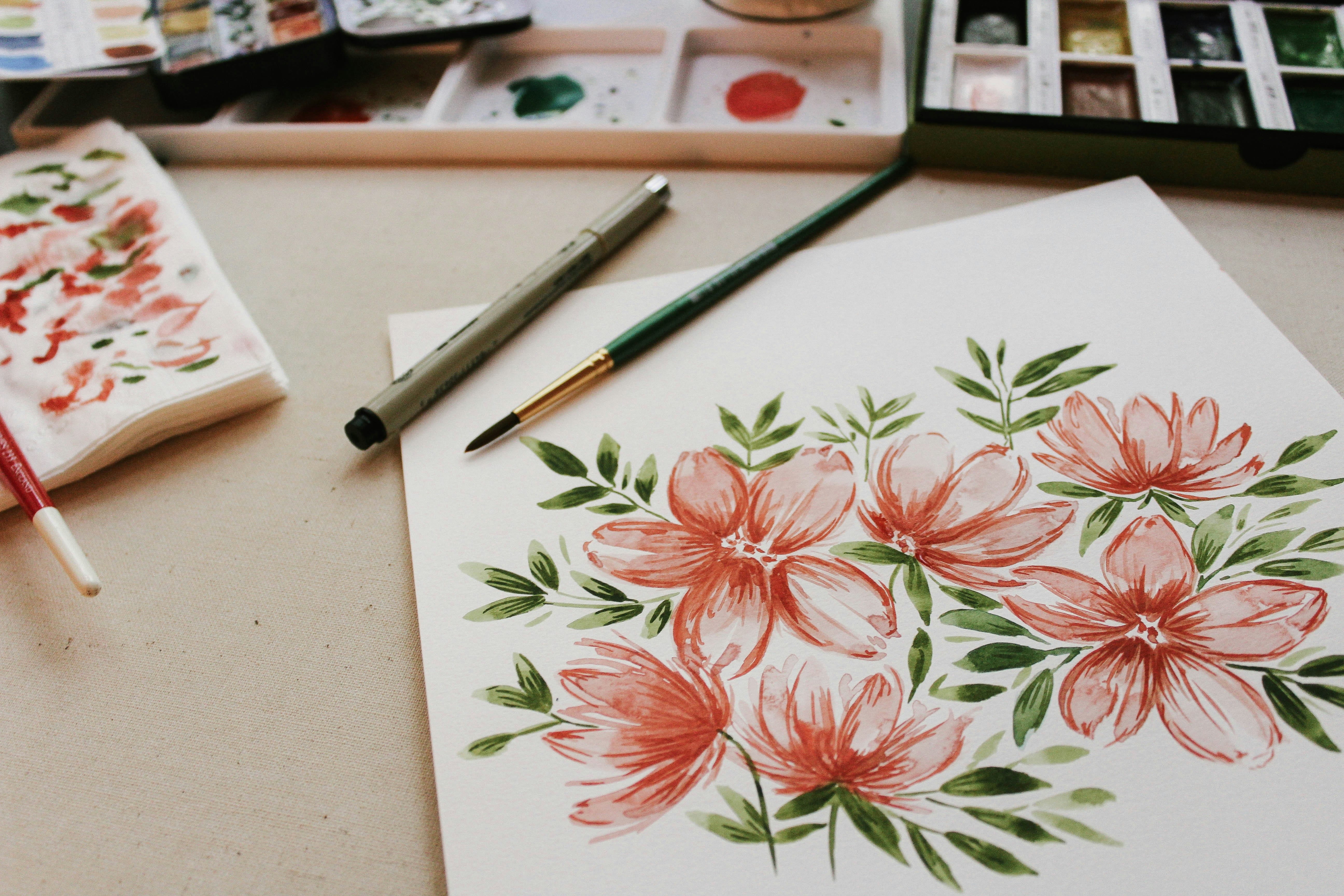
I’ve always loved doing art—not just the classic, “artsy” kind, but in every small way that lets me connect with my soul. Whether I’m cooking a meal with care, decorating a cozy corner, painting with colors that mirror my feelings, dancing like nobody’s watching, or writing poems that pour from my heart—each act feels like a conversation with myself. As an introvert, expressing who I am can be quiet but deeply meaningful. I’ve come to believe that everything around us is a canvas, and life itself is the most beautiful, ever-unfolding masterpiece.
Vincent Van Gogh’s words, “There is nothing more truly artistic than to love people,” touch me deeply. For me, creativity isn’t just about making things—it’s about opening my heart, showing up with vulnerability, and weaving love into every moment.
This journey of creative expression has taught me that healing isn’t always loud or visible. Sometimes, it’s the gentle flow of colors on a page, the rhythm of my footsteps dancing through a room, or the simple joy of arranging flowers just so. These moments remind me that I am alive, whole, and connected—to myself, to others, and to the world.
And if I can find healing and meaning in these everyday acts, then so can you. Because art therapy isn’t confined to studios or galleries—it lives in your kitchen, your journal, your living room, and your heart. It’s waiting for you to reach out, create, and heal. So go ahead, make your life your art. Let it be your sanctuary, your voice, and your light.
🌿 Creativity as Healing: Art Therapy Beyond the Studio
Art therapy is often associated with painting in a therapist’s office. But creative expression extends far beyond the canvas. Simple acts like smiling at a stranger, solving a problem creatively, or bringing people together in meaningful ways become everyday rituals of connection and expression. These moments remind us that healing doesn’t always come through grand gestures, but through presence, creativity, and shared humanity.
This form of creative expression helps us process emotions, reduce anxiety, and foster resilience. It encourages presence and mindfulness, providing a safe space to explore our inner worlds without judgment.
🎨 Creative Activities to Nourish the Soul
Whether you’re carving out time for yourself or gathering with loved ones, creativity can be a powerful and joyful way to reconnect—with your inner self and each other. These activities aren’t about perfection; they’re about expression, presence, and play. Try a few of these and see what speaks to you:
🌟 For Solo Explorers
- Art Journaling: Combine doodles, collage, and free writing in a blank notebook. Use it to track your moods, dreams, or just let your subconscious flow onto the page.
- Mindful Cooking: Try preparing a meal with intention—savoring the colors, textures, and smells. Bonus points for plating it beautifully just for you.
- Nature Sketching or Photography: Head to a park or your backyard with a sketchpad or camera. Capture what draws your attention—a leaf’s pattern, the way light falls through branches.
- Dance Breaks: Put on your favorite song and move like no one’s watching. No choreography needed—just joy.
- DIY Home Sanctuary: Rearrange or decorate a small space with items that comfort or inspire you—think candles, plants, art, or meaningful objects.
💛 For Families & Friends
- Collaborative Collage: Grab old magazines, scissors, and glue, and co-create a vision board or themed collage together. Choose a theme like “joy,” “dreams,” or “home.”
- Story Circle: Each person adds a line to a spontaneous story. It’s fun, often hilarious, and a great way to get everyone involved.
- Paint & Tea Night: Set out some paints (or even markers) and sip herbal tea while creating. You can all follow the same theme—or just go with the flow.
- Cook a “Memory Meal” Together: Share a family recipe or recreate a dish from childhood and cook it together. Food is deeply nostalgic and connecting.
- Kindness Cards: Make handmade cards with encouraging words or art, and leave them in public places or give them to friends, neighbors, or strangers.
The best part? These practices aren’t about being “good” at art—they’re about being alive in the moment. They’re about connecting with ourselves, finding stillness or spark, and sharing joy and laughter with our loved ones. Whether you’re creating alone or in community, it’s the presence, not perfection, that makes it meaningful.
🌊 Why We Need This More Than We Realize
Creative expression is often treated as a nice-to-have—something for weekends, vacations, or people who already think of themselves as “artistic.” But the truth is much simpler and much more important: creativity can give us another way to process emotions that are sometimes difficult to put into words.
Not everything we carry can be put into words. Grief, longing, overwhelm, joy, tenderness—these often live in the body long before the mind finds language for them. When we paint, move, cook, or write without trying to make it “good,” we give those feelings a place to go. We’re not performing for anyone. We’re simply letting something that was stuck find its way out.
Creativity also asks us to be present in a way that few other activities do. When you’re mixing colors, kneading dough, or losing yourself in a song, your attention naturally narrows to this moment—not the version of yourself worrying about tomorrow, not the one replaying yesterday. That kind of presence can feel calming and grounding, which is one reason many people describe creative activities as relaxing or even meditative. It’s not a coincidence that so many people describe creative acts as calming, even meditative, even when nothing about the activity looks peaceful from the outside.
This is why creative expression isn’t a luxury reserved for “creative people.” It’s closer to a basic human need—a way of listening to ourselves, releasing what the body has been holding, and remembering that we are allowed to simply feel, without needing to explain or justify any of it.
🚪 What Gets in the Way
If creative expression is so natural and so healing, why do so many of us avoid it? Usually, it isn’t a lack of interest—it’s a handful of quiet, deeply human beliefs that get in the way.
“I’m not a creative person.”
Many of us decided this early, often based on a single comparison to someone who seemed more naturally talented. But creativity was never about talent in the first place—it’s about expression. You don’t need to be skilled to benefit from moving your body to music or doodling in the margins of a notebook. The benefit comes from the act, not the result.
Needing it to be good.
Somewhere along the way, many of us learned to judge our own creations before we even finished them. This can make creative expression feel like one more place to fail, rather than a place to simply be. Letting go of the outcome—reminding yourself that nothing here needs to be shared, framed, or praised—often makes far more room for genuine expression than any technique ever could.
Old memories of being criticized.
A dismissive comment from a teacher, a parent, or a classmate can stay with us for decades, quietly convincing us that our creative instincts aren’t worth trusting. That old moment doesn’t have to define what’s possible for you now. The version of you creating today isn’t being graded, and no one from your past is in the room.
“I don’t have time for this.”
This belief usually assumes that creative expression requires a large block of uninterrupted time, but it rarely does. Five minutes of humming while you cook, or a single unplanned sentence in a journal, still counts. The goal was never to produce something impressive—it was to reconnect with yourself, even briefly.
None of these beliefs are personal failings. They’re simply old protections that, once noticed, don’t have to keep running the show. Self-compassion can make it easier to let go of perfectionism and give yourself permission to create without judging the result.
🌟 Final Words
Creative expression was never meant to be reserved for galleries, studios, or people who call themselves artists. It lives in the way you plate a meal, the song you hum without noticing, the color you’re drawn to on a hard day. These small, ordinary acts are quietly powerful—they let us process what words can’t reach, they root us in the present moment, and they remind us that we are still capable of wonder.
If life truly is the most beautiful, ever-unfolding masterpiece, then every act of creation—however small—is simply you adding your own brushstroke to it.
If you’d like support reconnecting with your creativity, processing emotions, or exploring what’s been quietly holding you back, you’re warmly invited to visit my Talk With Me page. Sometimes, one honest conversation is enough to help you find your way back to yourself.
❓ Frequently Asked Questions
No. The healing benefit of creative expression comes from the act of engaging with it, not from the outcome. Cooking with intention, dancing freely, or journaling without editing yourself all count — the goal is presence and self-connection, not skill or a polished result.
Art therapy is a formal therapeutic practice guided by a trained professional, often used to process trauma or specific emotional challenges. Everyday creative expression—cooking, decorating, dancing, journaling—isn’t a replacement for that clinical work. However, these activities can still provide a meaningful outlet for self-expression, reflection, and emotional exploration.
Creative expression gives feelings a place to go that isn’t only verbal. It can help process emotions that are hard to name directly, reduce stress, and create a sense of safety and presence — especially for anyone who finds it easier to express themselves through color, movement, or texture than through words alone.
Yes. Creativity here isn’t about identity or talent — it’s about small, intentional acts of expression woven into daily life. Arranging flowers, plating a meal with care, or rearranging a corner of your home all count as much as painting or writing.
Start small rather than trying to carve out a big block of time. A five-minute dance break, a few lines in a journal, or preparing one meal a week with more intention can be enough to begin noticing the difference — consistency matters more than duration.
📚 Recommended Articles
Rest Without Guilt: Embracing the Wisdom of the Nap Ministry
Explore the importance of rest as a radical act of self-care and how embracing rest helps restore balance and productivity.
Self-Worth Beyond Achievement: You Are Inherently Worthy
A deep dive into understanding intrinsic self-worth beyond accomplishments and external validation.
📖 Recommended Books
- The Artist’s Way by Julia Cameron – A groundbreaking guide to unlocking creativity and healing through artistic practice.
- Art as Therapy by Alain de Botton and John Armstrong – Explores how art can provide comfort, insight, and emotional growth.
- The Art Therapy Sourcebook by Cathy Malchiodi – A comprehensive guide exploring how creative expression through art supports emotional healing and personal growth.
- Big Magic: Creative Living Beyond Fear by Elizabeth Gilbert – Inspires readers to embrace curiosity and live creatively despite fears.
- 250 Brief, Creative & Practical Art Therapy Techniques: A Guide for Clinicians and Clients by Susan I. Buchalter – A comprehensive collection of practical art therapy exercises designed for both therapists and individuals seeking creative ways to heal and grow.
💬 Let’s Reflect Together
🎨 How do you currently express yourself creatively in everyday life?
💭 Have you experienced emotional healing through creative activities beyond traditional art forms?
✨ What new creative practice would you like to try for your own well-being?
Share your thoughts in the comments—I’m excited to hear your stories!




Leave a Reply