Sometimes I observe the world and wonder how we got to this point. I sit in a café, sipping coffee, watching people pass by. Most of them are staring into their phones. Children sit beside parents, their little eyes also glued to screens. The barista is polite, but we exchange only the minimum words needed. Everything is fast, efficient, quiet—and deeply disconnected.
And I think: How did we get here?
Not long ago—at least in the grand timeline of humanity—mornings started with birdsong, where we moved with purpose, connected face-to-face, raised children together, and honored the natural cycles of our bodies. Life was woven with rhythm, presence, and connection.
Now? We chase artificial light, sit most of the day, birth in sterile rooms, raise children in daycare while we hustle to “have it all,” and fill silence with scrolling. We’ve lost something. Something profoundly biological, emotional, and spiritual.
This article explores how to reconnect with our natural biological rhythms through daily practices that realign us with the way we were meant to live.
🌿 The Biological Needs We’ve Forgotten
Modern life has pulled us far from the natural rhythms our bodies once knew. In chasing convenience and constant stimulation, we’ve forgotten the simple, biological foundations that once kept us healthy, grounded, and connected. Here are eleven core needs we’ve lost touch with—and how to gently reclaim them.
1. Waking with the Sun 🔆
What we’ve lost:
We evolved to rise with daylight and rest with darkness. Today, we wake to alarms in pitch black, spend our days under artificial lights, and fall asleep scrolling in bed.
Why it matters:
Light is a major cue for our circadian rhythm. Disruption leads to poor sleep, hormone imbalances, low energy, and mood issues.
Tip:
Start your morning with natural light—step outside for 5–10 minutes after waking. Use dim, warm lighting in the evening. Avoid screens at least 30 minutes before bed.
2. Moving All Day 🏃
What we’ve lost:
Daily life used to involve constant physical movement—walking, lifting, squatting, climbing. Today, we sit 8–12 hours a day and “exercise” for maybe 30 minutes, if at all.
Why it matters:
Regular movement boosts circulation, mobility, brain function, and emotional health. Sedentary lifestyles are linked to obesity, heart disease, and anxiety.
Tip:
Incorporate micro-movements throughout the day: stretch every hour, take walking meetings, squat while playing with your kids, carry groceries without a cart.
3. Living in Communities 🤝
What we’ve lost:
We once lived in close-knit tribes and villages. Now we live alone, often far from family, and socialize through screens.
Why it matters:
Humans are social animals. Real-life connection reduces stress, improves immunity, and even extends lifespan.
Tip:
Join a local group—book club, dance class, women’s circle. Host regular potlucks or Sunday family meals. Choose face-to-face over FaceTime when you can.
4. Rituals of Womanhood 🌙
What we’ve lost:
Menstruation, pregnancy, birth, and menopause were once honored as sacred transitions. Now, they’re medicalized, hidden, or seen as inconvenient.
Why it matters:
When we disconnect from our biological rhythms, we disconnect from our power. These transitions hold deep emotional and ancestral wisdom.
Tip:
Track your menstrual cycle. Rest during your bleed. Celebrate milestones with ritual or ceremony—like a mother’s blessing before birth or a menopause rite of passage.
5. Quality Time with Children 👩👧
What we’ve lost:
Children were once raised by communities—surrounded by parents, grandparents, siblings. Now, many grow up in daycares and digital environments.
Why it matters:
Children learn through modeling and connection. Presence nurtures their emotional regulation, creativity, and sense of safety.
Tip:
Set phone-free family time—meals, walks, bedtime. Involve them in daily life: cook together, clean together, talk about feelings. Be with them, not just around them.
6. Meaningful Sharing and Connection 💬
What we’ve lost:
Scrolling and small talk have replaced deep conversation. We share online but rarely open our hearts in person.
Why it matters:
True connection lowers stress hormones and strengthens the nervous system. Without it, we feel lonely—even when surrounded by people.
Tip:
Ask deeper questions when you talk to friends. Sit in circle and share without interruption. Create a regular space for vulnerable, open-hearted dialogue.
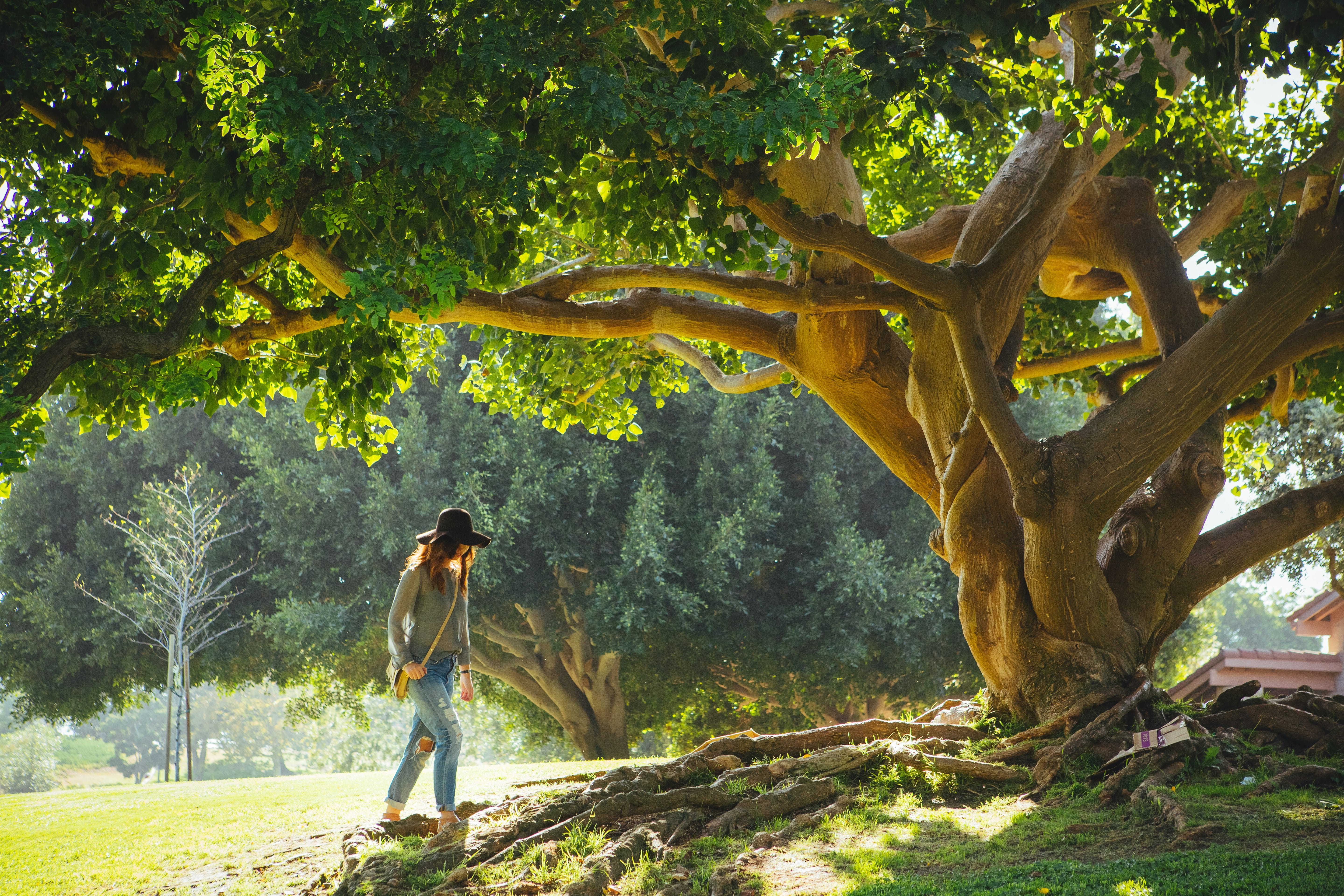
7. Being Outdoors and in Nature 🌿
What we’ve lost:
We once spent most of our lives outdoors—sleeping under the stars, gathering food, walking through forests, feeling the earth underfoot. Today, many people go days or weeks without meaningful time in nature.
Why it matters:
Sunlight regulates our circadian rhythms and boosts vitamin D. Contact with soil supports our microbiome and immune health. Green spaces reduce stress and anxiety.
Tip:
Instead of a gym treadmill, go for a forest walk. Swap a weekend mall trip for a hike or a picnic by a lake. Take your lunch break under a tree, not at your desk.
8. Rest and Deep Sleep 😴
What we’ve lost:
Rest used to be honored. Even animals know when to stop. But modern culture glorifies busyness and “grind mode,” often sacrificing sleep in the name of productivity.
Why it matters:
Sleep is essential for hormone balance, memory, emotional regulation, and cellular repair. Chronic sleep deprivation is linked to nearly every major disease.
Tip:
Turn off screens an hour before bed. Try natural wind-down rituals like herbal tea, journaling, or reading under a warm light. Go to bed closer to 10 PM, in sync with melatonin release.
9. Seasonal Living 🍂
What we’ve lost:
Our ancestors lived with the seasons—eating what grew locally, slowing down in winter, rising earlier in summer. Modern life ignores seasons entirely, with strawberries in December and the same pace year-round.
Why it matters:
Our bodies and hormones respond to seasonal changes. Winter invites reflection and rest; summer brings energy and outward focus. When we fight these cycles, we burn out.
Tip:
Eat more seasonally. Embrace slower routines and more sleep in winter. Plan creative or social projects in spring and summer when your energy rises.
10. Touch and Physical Affection 🤗
What we’ve lost:
Touch is a basic human need. In many cultures, people greet with hugs, kisses, or touch. In the modern West, especially post-pandemic, we’ve become more physically distant.
Why it matters:
Touch releases oxytocin, reduces cortisol, and fosters trust and connection. Lack of physical affection is linked to depression and loneliness.
Tip:
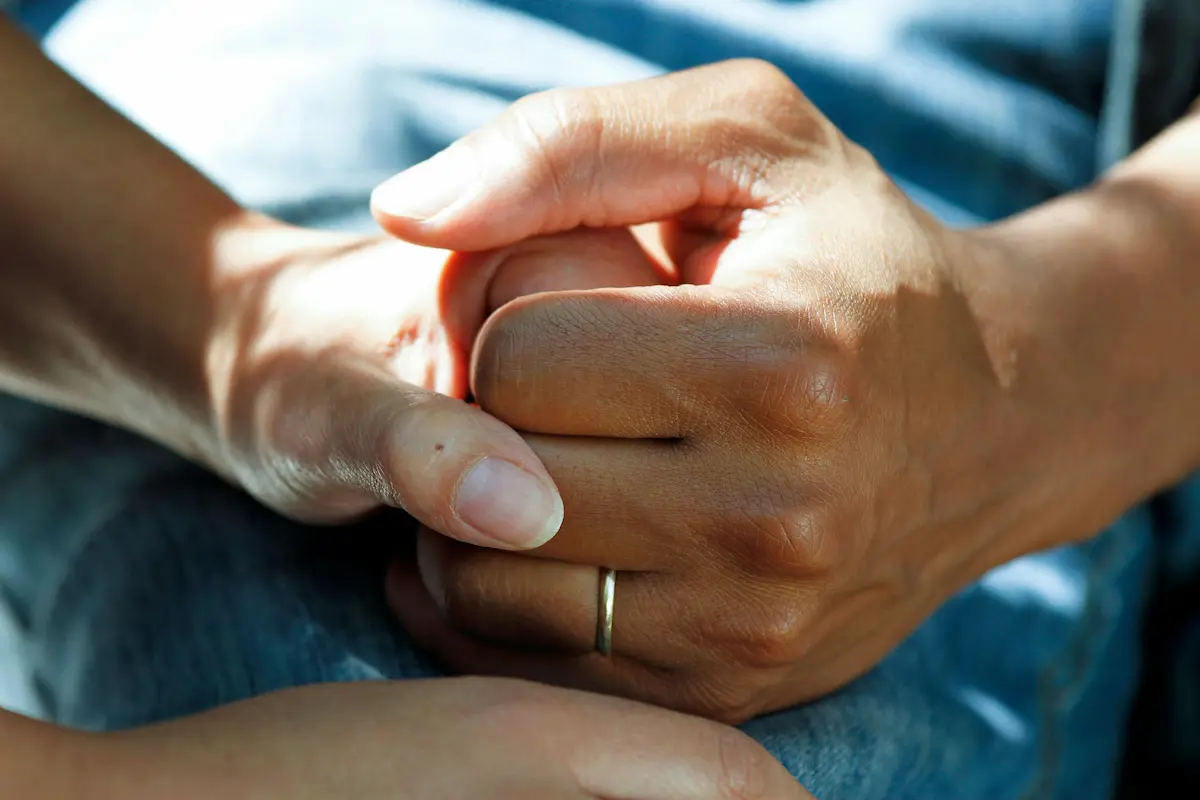
Offer more hugs to your children, partner, and friends. Book a massage. Sit close to loved ones. Hold hands. Touch is medicine.
11. Silence and Stillness 🧘
What we’ve lost:
We fill every spare moment with sound—podcasts, music, notifications. True silence is rare. But in silence, the nervous system resets, intuition speaks, and creativity flows.
Why it matters:
Stillness allows the brain to enter deeper processing states (like daydreaming and insight). It reduces mental clutter and helps us self-regulate emotionally.
Tip:
Try five minutes of silence each morning. Turn off music during your commute. Practice “earthing” barefoot in quiet nature. Let your mind breathe.
📚 Other Articles You May Love
🌿 Embracing Zen Lessons
A beautiful reflection on the timeless wisdom of Zen and how embracing simplicity can bring peace and clarity in today’s fast-paced world.
✨ Live Well, Want Less
A thoughtful guide on how to live a more fulfilling life by focusing on what truly matters—and letting go of the endless cycle of desire.
📖 Here are five best-selling books on rediscovering our human rhythms:
- Braiding Sweetgrass by Robin Wall Kimmerer – A poetic blend of indigenous wisdom, science, and the sacredness of nature.
- The Fourth Trimester by Kimberly Ann Johnson – A holistic guide to postpartum healing and reconnection.
- Move Your DNA by Katy Bowman – A revolutionary look at how movement (not just exercise) shapes our health.
- Wintering by Katherine May – A reflection on the power of rest, retreat, and the natural cycles of life.
- Women Who Run With the Wolves by Clarissa Pinkola Estés – Myth, story, and psychology woven into a guide to reclaiming the wild woman within.
💭 Let’s Talk
😊 What daily rituals help you feel most human?
😍 Have you reconnected with any lost traditions or natural rhythms?
🤔 What would you like to bring back into your life—more movement, connection, or sacred time?




Leave a Reply