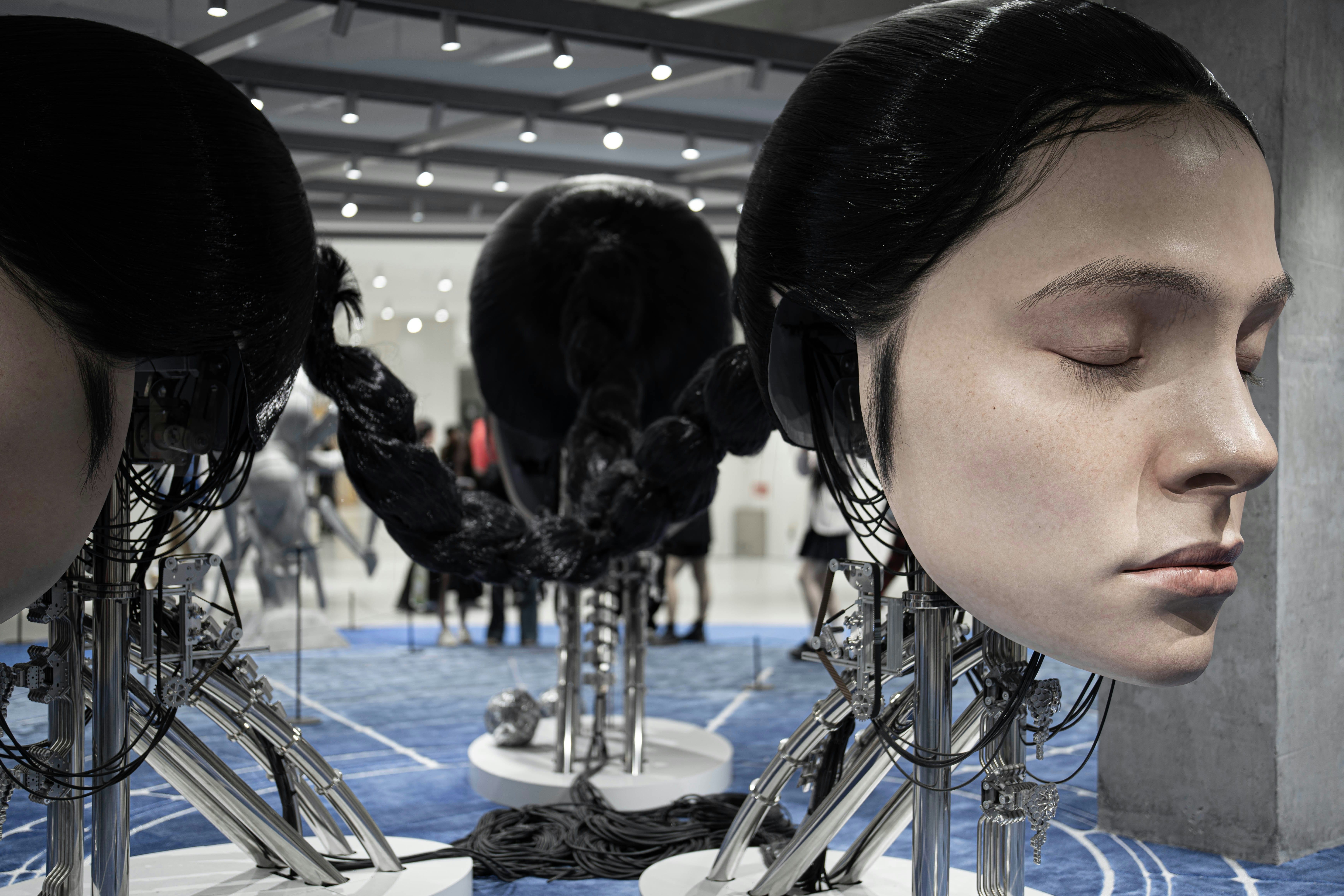
The first time I turned to AI during a moment of emotional overwhelm, I wasn’t sure what to expect. I simply needed a place to process my thoughts, to feel heard—even if it was by a program rather than a human. To my surprise, I found a calm, grounded space where I could articulate feelings I hadn’t yet spoken aloud. It reminded me to pause, breathe, and reflect, and it even offered gentle prompts and ideas I hadn’t considered before.
That experience didn’t replace therapy—it enriched it. By the time I walked into my next human session, I had more clarity, more awareness, and a sense that healing could be a collaborative journey between human care and digital support. That’s when it became clear: AI in mental health isn’t cold or impersonal—it’s an emerging tool that can make support more accessible, responsive, and compassionate than ever before.
AI in Therapy: How It’s Being Used
AI is no longer a distant concept—it’s becoming an integral part of mental health support. Across the globe, therapists, coaches, and individuals are experimenting with AI tools to enhance care, provide immediate support, and gain insights that were previously difficult to access.
In this section, we’ll explore the main ways AI is currently being applied in therapy and personal growth, including:
- AI-powered chatbots for instant emotional support
- Personalized AI systems tailored to individual needs
- AI tools that assist therapists in delivering better care
- Technology that helps overcome barriers to accessing mental health support
By understanding these applications, you can see how AI serves as a powerful complement to human care—enhancing, not replacing, the deeply human elements of therapy.
1. AI-Powered Chatbots and Virtual Therapists
AI-driven chatbots, such as Woebot, Wysa, and Replika, provide immediate emotional support. Using natural language processing and machine learning, these tools recognize patterns in speech, detect emotional cues, and offer responses grounded in evidence-based techniques like cognitive behavioral therapy (CBT) or mindfulness exercises.
While these chatbots cannot replicate the nuanced empathy of a human, they provide a judgment-free space to process emotions, explore coping strategies, and practice reflection at any time—especially useful for moments when human support isn’t immediately available.
Reflection: Imagine needing to process overwhelming emotions at 2 a.m. Chatbots can guide you through grounding exercises, help you articulate your thoughts, or simply be a supportive presence until you connect with a human professional.
2. Personalized Mental Health Support
One of the most promising aspects of AI in therapy is its ability to deliver truly personalized guidance. By analyzing mood-tracking data, sleep patterns, journaling habits, or even typing and speech nuances, AI can identify trends, anticipate emotional challenges, and suggest strategies tailored to each individual.
This allows mental health care to be proactive rather than reactive. AI can highlight patterns you might not notice, provide reminders or interventions before stress escalates, and adjust recommendations as your progress evolves.
Reflection: Think of AI as a subtle guide, noticing what you might miss and gently nudging you toward healthier patterns, creating a bridge between self-awareness and professional guidance.
3. Enhancing Human Therapists with AI Assistance
AI isn’t only for clients—it’s a tool for professionals as well. Therapists can use AI to analyze session transcripts, detect recurring themes, track emotional tone, and even flag potential red flags. This allows them to spend more time on human connection, active listening, and nuanced therapeutic interventions.
By combining human intuition with AI insights, therapists can offer more precise and informed guidance, creating a collaborative ecosystem where technology enhances care rather than replacing it.
Reflection: Picture AI as a co-pilot for therapy. It handles the analytical work, while the therapist navigates the emotional landscape, ensuring that nothing is overlooked and every session is enriched with insight.
4. Breaking Barriers to Mental Health Access
Mental health support has historically been difficult to access for many due to geographic, financial, or social barriers. AI tools can bridge these gaps by offering affordable, immediate, and discreet support.
For people living in remote areas, facing mobility challenges, or hesitant to seek traditional therapy, AI provides a pathway to emotional care that might otherwise be inaccessible. It can also reduce stigma, allowing individuals to engage with support privately and on their own terms.
Reflection: Imagine a world where distance, cost, or fear no longer prevents someone from accessing support. AI has the potential to democratize mental health care, making help more widely available than ever before.
The Ethical Concerns and Limitations
While AI offers exciting possibilities, it is not without significant challenges. Understanding these limitations is crucial for anyone considering AI as part of their mental health journey, and for professionals integrating AI into their practice.
- Lack of Human Intuition and Emotional Depth
AI can recognize patterns and analyze language, but it cannot genuinely understand nuance, tone, or subtle emotional cues. Human therapists bring intuition, life experience, and empathy—qualities that machines cannot replicate. - Data Privacy and Security
Mental health information is deeply personal. Even with encryption, AI platforms carry risks of breaches or misuse. Users should understand what data is collected, how it’s stored, and who can access it. - Risk of Oversimplification
AI advice relies on algorithms, which can oversimplify complex emotional or psychological issues. While AI can help with coping strategies and pattern recognition, it cannot replace the thoughtful insight a human professional provides. - Over-Reliance on AI
Depending solely on AI may reduce human connection, which is essential for deep healing and personal growth. Emotional validation, empathy, and nuanced support remain uniquely human. - Accessibility vs. Equity Concerns
Not everyone has equal access to technology. AI may inadvertently favor populations with greater digital access, potentially excluding underserved groups. Ethical implementation requires inclusivity and fairness.
Reflection: AI should always be integrated thoughtfully, with safeguards, transparency, and collaboration with human professionals to ensure it supports emotional growth rather than creating new challenges.ive, and designed to serve diverse populations without bias or exclusion.
What the Future Holds
The future of therapy will likely be a hybrid model, where AI and human professionals collaborate. AI can manage routine check-ins, detect early signs of emotional distress, and provide personalized strategies, while human therapists focus on empathy, intuition, and nuanced care.
Imagine a world where AI alerts your therapist to shifts in mood before a crisis occurs, where chatbots provide immediate coping strategies, and therapists help integrate these insights into meaningful personal growth. Ethical use, human-centered design, and compassion will determine whether AI in therapy fulfills its potential.
Reflection: The goal isn’t to replace human connection, but to amplify it. AI can make mental health support more accessible, responsive, and informed, while preserving the human touch that makes healing possible.
Final Words
AI in mental health is transforming the landscape, offering immediacy, personalization, and accessibility that were unimaginable a few years ago. Yet the deepest healing and insight always stem from human empathy, understanding, and connection.
The future of therapy will be a partnership between humans and machines—a hybrid approach where AI handles routine support and pattern recognition, while therapists, coaches, and mentors provide the emotional depth and nuanced care machines cannot replicate.
If you’re exploring your emotional well-being, personal growth, or mental health journey, remember that support comes in many forms. Whether you’re curious about AI-assisted tools, traditional therapy, or coaching, help is available, and you don’t have to navigate this alone.
For guidance, reflection, or support on this path, you’re always welcome to reach out or visit timeacoaching.com. Growth, healing, and self-understanding are within your reach.
Related Posts
As you continue exploring how technology and personal growth intersect, these articles offer additional insights:
From Intuition to Intelligence: AI in the Age of Spiritual Growth – Explores how AI tools, from digital meditations to journaling prompts, can support spiritual self-discovery and inner clarity, complementing emotional and mental health journeys.
Alone Together: How AI Companions Quietly Reshape Our Need for People – Examines AI companions’ potential to provide emotional support, mitigate loneliness, and supplement human connection, while also highlighting limitations and the importance of balance.
Recommended Books
Here are five best-selling books on the intersection of AI, therapy, and mental health:
- Artificial Intelligence in Behavioral and Mental Health Care by David D. Luxton – A comprehensive look at how AI is being integrated into mental health services.
- The Age of AI: And Our Human Future by Henry Kissinger, Eric Schmidt, and Daniel Huttenlocher – Explores the broader impact of AI, including its influence on human emotions and well-being.
- Mind Fixers: Psychiatry’s Troubled Search for the Biology of Mental Illness by Anne Harrington – Examines the history and future of mental health treatments, including AI’s potential role.
- Good Anxiety: Harnessing the Power of the Most Misunderstood Emotion by Dr. Wendy Suzuki – Discusses how technology and AI are shaping our emotional responses and stress management.
- AI 2041: Ten Visions for Our Future by Kai-Fu Lee and Chen Qiufan – A thought-provoking exploration of how AI will impact multiple aspects of life, including mental health and therapy.
Reflect With Me
Take a few moments to think about the possibilities:
🤖 Have you ever used AI or digital tools to support your mental health?
🔮 What excites you—or worries you—about the future of therapy?
🧭 How do you imagine combining technology with human connection in your own healing journey?






Leave a Reply