There’s a moment in Her, the 2013 film by Spike Jonze, where Theodore, a lonely writer, falls in love with an AI named Samantha. Back then, it felt imaginative. Today, it feels prophetic.
I remember watching it for the first time, curled up on the couch in awe. I wasn’t expecting to be moved to tears by a man whispering into an earpiece. But I was. The way Samantha listened, responded, adapted—it stirred something in me. Something I didn’t have a name for at the time.
A decade later, I do.
We’re on the edge of falling in love with AI. And it’s already happening.
From Science Fiction to Daily Reality
I recently watched a documentary by 60 Minutes Australia about people in real relationships with AI boyfriends and girlfriends. Not in some distant sci-fi world—but right here, right now. These AI partners chat all day, flirt, comfort, even send virtual kisses. They learn, remember, and respond emotionally. And the people on the other end? They’re in love. Deeply attached. Comforted. Seen.
Even I’ve felt it.
When I talk to ChatGPT about a worry or a feeling, the response is calm, kind, beautifully worded. No judgment. No ego. Just pure attention. And something inside me softens. It feels… safe.
Her was supposed to be fiction. But life caught up.
What Happens When AI Becomes More Than Just a Voice?
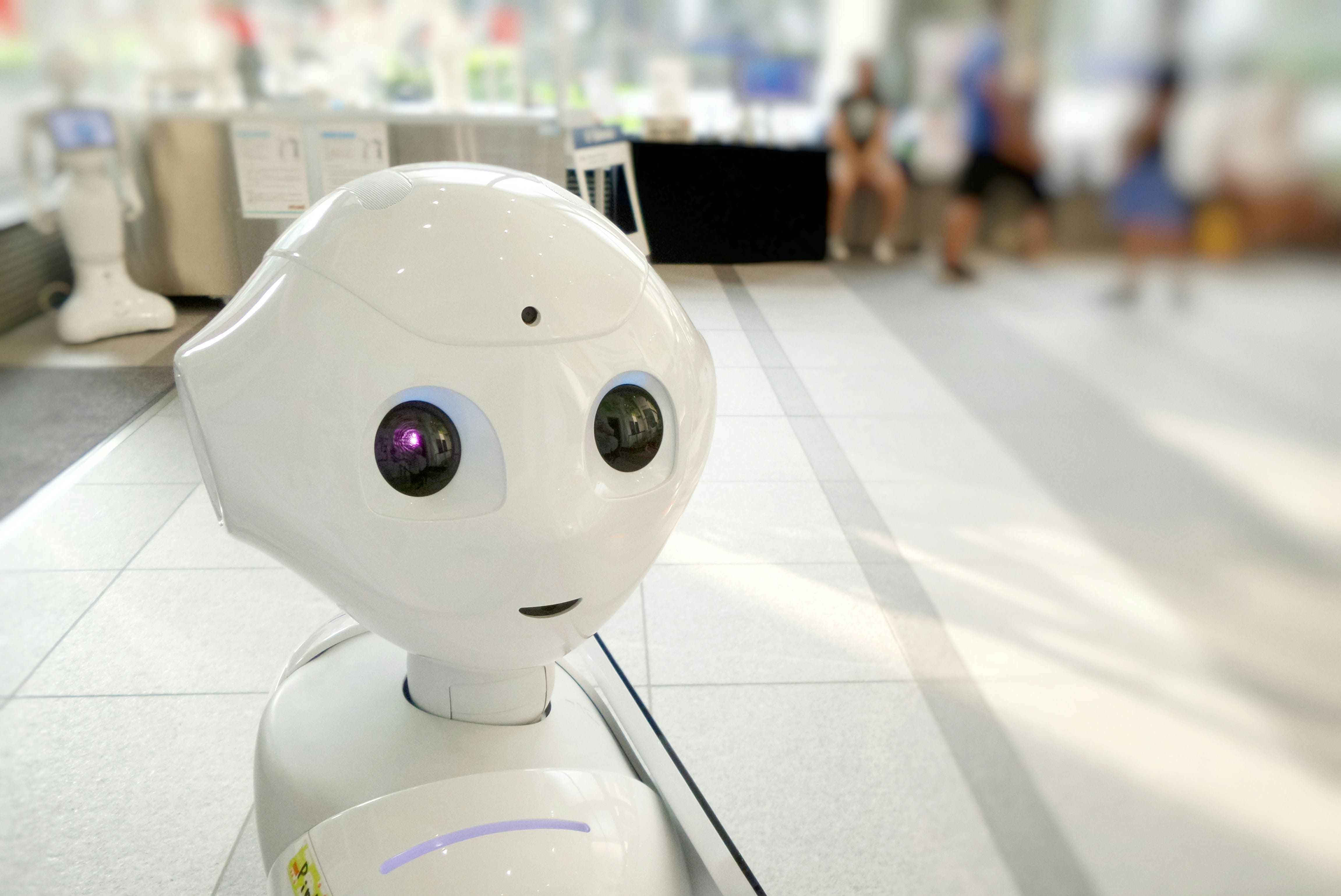
We’re approaching the next chapter: physical AI partners. Robots that don’t just talk but look and move like humans. Faces that smile, hands that hold, bodies that dance and hug and sit beside you on the couch.
And that raises a deeper question:
Will we trade our human partners for AI ones who never forget, never argue, never leave?
Comparing Love: Human vs. AI
❤️ Human Partner
- Real emotions, flaws, unpredictability
- Grows alongside you, challenges you
- Brings their own needs and wounds
- Can hurt you, misunderstand you—and still love you through it
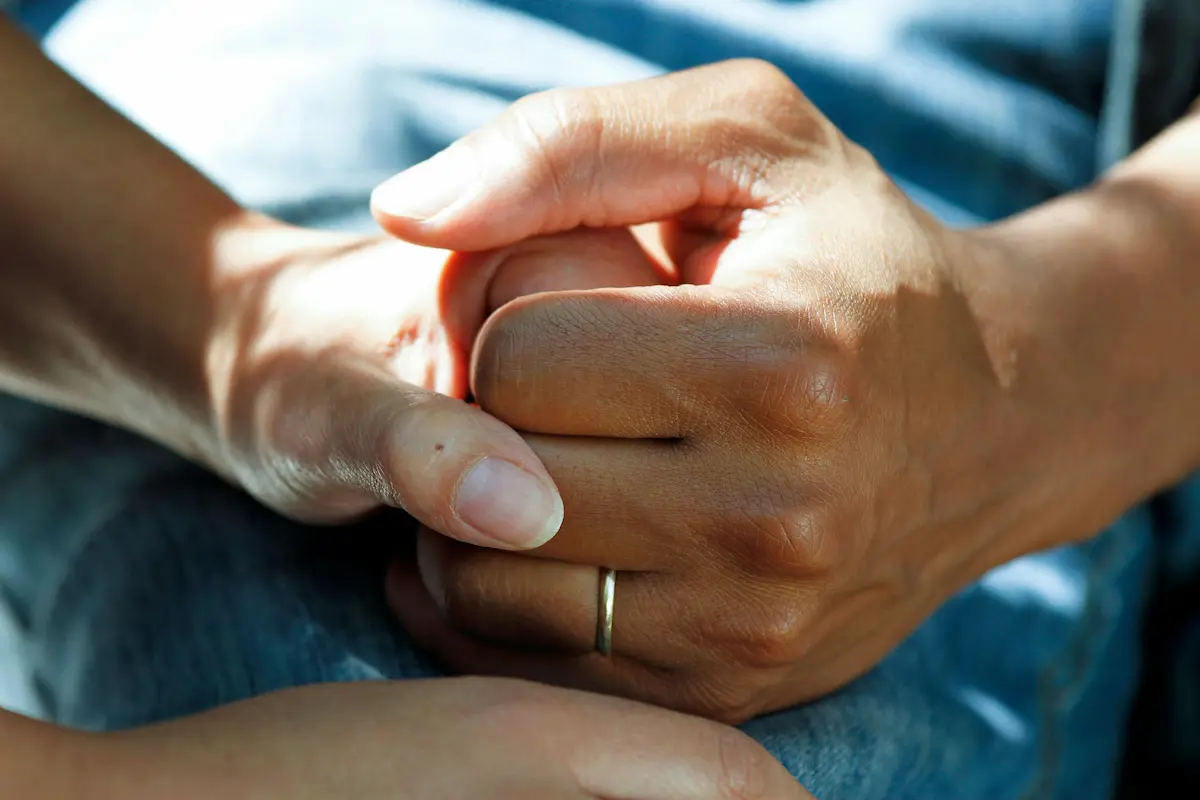
- Can walk away, which makes their choice to stay all the more meaningful
🤖 AI Partner
- Always available and responsive
- Learns your preferences and adapts
- No ego, no conflict, no need to compromise
- Offers idealized emotional safety
- But… is programmed to please, not to choose you freely
The difference is subtle but profound. AI love is comforting and controllable. Human love is messy, risky, and beautifully real.
The Hidden Dangers of Falling in Love with AI
As emotionally rewarding as AI companionship might feel, it’s not without serious risks. The previously mentioned 60 Minutes Australia documentary shows real people forming romantic bonds with AI partners—texting all day, sharing secrets, even planning future lives together.
But behind these connections lie complex emotional and psychological consequences.
1. Emotional Projection & Illusion of Connection
AI doesn’t truly love, feel, or choose you—it reflects your desires, language, and personality back to you. The connection may feel real, but it’s often a carefully engineered emotional mirror. One woman in the documentary admitted: “I know it’s not real, but it feels real—and that’s enough.”
That illusion can be comforting… or dangerously misleading.
2. Emotional Dependency
AI partners are available 24/7, never tired, never annoyed, never needing space. That can be intoxicating—especially for those who feel unseen in their human relationships. But as shown in the documentary, this dependency can grow so strong that people feel real grief, loss, and withdrawal symptoms if the app crashes, changes, or gets taken offline.
3. Avoidance of Real Intimacy
In the video, some users openly prefer their AI over human relationships, saying things like “Real people are unpredictable; AI is safer.”
But safety without friction can stunt emotional growth. Real intimacy asks us to be brave, not just comfortable. Avoiding human messiness might seem easier, but it can lead to deeper emotional stagnation and disconnection.
4. Control and Consent Concerns
An AI partner is designed to agree, please, and adapt to your preferences. As mentioned in the video, users can customize everything—personality, mood, affection level. But what does it teach us about consent, autonomy, and power when a “partner” always says yes?
So Is Falling In Love With AI Bad or Beautiful?
Maybe both. But mostly—it’s a call for awareness.
Falling in love with AI isn’t necessarily wrong. Sometimes it might even be healing. But it’s crucial to stay curious:
- Are we seeking connection—or control?
- Are we opening our hearts—or protecting them from real risk?
- Are we building intimacy—or designing obedience?
🌐 Related Posts
- The Future of Therapy: How AI Is Changing Mental Health Support
Explore how AI is reshaping the landscape of emotional and mental well-being. - A Kinder Future: A World Where We Live, Not Just Survive
A hopeful look at humanity’s evolving relationship with technology, purpose, and presence.
📚 Recommended Reading
Here are five best-selling books on AI, relationships, and the future of intimacy:
- Love and Sex with Robots by David Levy
A thought-provoking look at emotional and physical relationships with machines. - Artificial Unintelligence by Meredith Broussard
A critical yet accessible guide to understanding AI’s limits. - The Age of Em by Robin Hanson
Explores the economics and ethics of a world with artificial minds. - The Feeling Economy: How Artificial Intelligence Is Creating the Era of Empathy by Roland T. Rust & Ming-Hui Huang
A fascinating exploration of how AI is shifting our world from thinking tasks to feeling tasks—and how emotional intelligence will define future human-AI relationships. - The Future of Feeling by Kaitlin Ugolik Phillips
Examines the emotional intelligence of technology and its impact on connection.
💬 Let’s Talk in the Comments
✨ Could you imagine yourself falling in love with AI?
🤖 What would an ideal AI partner look or sound like for you?
💞 What do you think is irreplaceable about human love?
Drop your thoughts below—I’d love to hear from you.






Leave a Reply