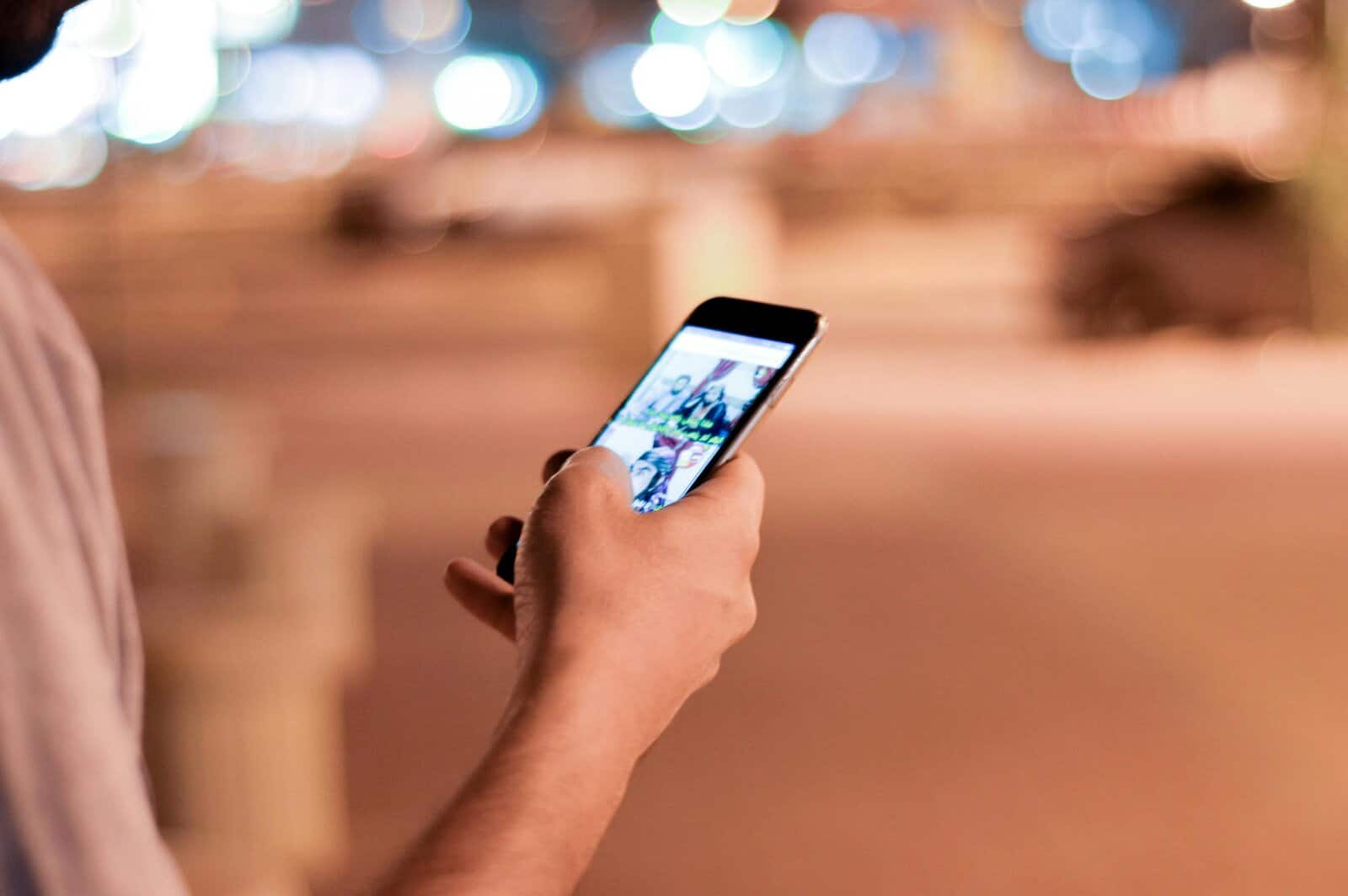
I know the pull of the endless scroll all too well. Hours can vanish in a blur of headlines, true crime documentaries, or psychology podcasts on YouTube. It feels like I’m staying informed, connected, and mentally stimulated. But beneath it all, there’s a restlessness, as if I’m spending time without truly refilling my energy.
Over time, I began replacing that reflex with something more intentional. Instead of scrolling, I’d dive into pottery, shaping clay on the wheel until my hands and mind found a soothing rhythm. Or I’d curl up with a good book, losing myself in stories that invited me to slow down and reflect. Sometimes, I’d ride my bike through winding nature trails, breathing in the fresh air and letting my thoughts settle.
Other days, I’d attend a concert, letting the music wash over me, or sign up for a macaron baking course, delighting in the sweet, tactile process of creating something delicate from scratch. Making bracelets for friends became a quiet act of connection, each knot tied with care and intention.
Volunteering also brought a new sense of purpose—whether teaching German at a local charity or helping to bake gingerbread for the Christmas market, giving back felt deeply rewarding.
I also found joy in self-care rituals: a long bath, a gentle massage, or a slow walk in the sun. With every moment spent creating, connecting, or simply being, the noise faded, my mind slowed, and I felt truly present in a way no screen could match.
These weren’t dopamine fireworks—they were steady, nourishing embers. And they lasted.
(Photos from some of these moments are included at the end of the article.)
🧠 What Is Dopamine and Why Should We Care?
Dopamine is a neurotransmitter, often called the “motivation molecule.” It drives reward-seeking behavior—making us feel pleasure, focus, anticipation, and drive. When balanced, dopamine helps us pursue goals, enjoy new experiences, and build habits.
But here’s the catch:
In our hyper-stimulated world, dopamine is being hijacked. Social media, fast food, binge-watching, and even news apps are designed to give us quick hits of dopamine. But these artificial bursts throw off our natural balance.
Too much stimulation leads to a dopamine crash—resulting in low mood, anxiety, lack of focus, and the need for more stimulation just to feel “okay.” And so the cycle continues.
That’s where dopamine fasting comes in.
🌞 Can Dopamine Fasting Reset Your Brain?
Yes, but not in a magical overnight way.
Dopamine fasting isn’t about eliminating dopamine altogether (that’s biologically impossible). It’s about giving your brain a chance to recalibrate—so that natural pleasures like a walk in the forest, meaningful conversation, or creative flow become enough again.
It’s a pause from high-dopamine activities that overstimulate and overwhelm our nervous system.
🌱 How to Build a Life That Feels Good (Not Just Stimulating)
It’s easy to confuse feeling busy with feeling fulfilled. If your days leave you overstimulated but strangely empty, try shifting toward activities that give you genuine satisfaction. Here’s how to make it practical:
1️⃣ Timebox Your Scrolling
Instead of cutting it out entirely, assign a fixed time window for social media or news.
- Example: 20 minutes after lunch, 20 minutes in the evening.
- Use a timer. When it goes off, close the apps—no “just five more minutes.”
- Keep your phone in another room outside these times to reduce temptation.
2️⃣ Swap One Scroll for One Real-World Action
Every time you catch yourself mindlessly reaching for your phone, do a quick swap:
- Text or call a friend.
- Step outside for fresh air.
- Do one chore or small creative task (e.g., doodle, tidy your desk, water a plant).
3️⃣ Build Anchor Activities Into Your Day
These are the things that give your day rhythm and keep you grounded:
- Morning: 10 minutes of stretching or a walk without headphones.
- Afternoon: 15 minutes of creative work (writing, drawing, cooking).
- Evening: Review the day—what gave you energy, what drained you?
4️⃣ Create “Ready-to-Do” Lists
Make it easy to choose nourishing activities over numbing ones:
- A list of 10-minute creative projects.
- A few go-to recipes you enjoy making.
- A short workout video saved on your desktop.
5️⃣ Reward Yourself With Presence, Not Just Pixels
When you’ve completed focused work or been active, reward yourself with something tactile or sensory:
- A slow cup of tea.
- Listening to one song without multitasking.
- Pampering your body—like a warm bath, a massage, or stretching.
The goal isn’t to ban all digital pleasure—it’s to make sure it’s balanced by experiences that actually feed you in the long run.
If you’re struggling with self-awareness, identity, or relationships, you don’t need to do it all alone. I’m here to guide you through these shifts. Feel free to visit my website or reach out for coaching support.
📸 A Glimpse Into My Offline Life

🧭 Further Reading on the Blog
🥃 Why Alcohol Makes You More Depressed – This article dives into how alcohol alters brain chemistry and contributes to long-term emotional lows.
🎵 The Soundtrack of Healing– Explore how music and sound can help restore emotional balance and support your mental health journey.
📚 Recommended Reading
Here are five best-selling books on dopamine fasting and overstimulation recovery:
- The Molecule of More by Daniel Z. Lieberman & Michael Long – Understand how dopamine drives your desires and how to work with it, not against it.
- Stolen Focus by Johann Hari – Explores how modern life steals our attention and how we can reclaim it.
- Dopamine Nation by Dr. Anna Lembke – A gripping mix of neuroscience and real-life stories about addiction and balance.
- The Shallows by Nicholas Carr – How the internet is reshaping our brains and diminishing our ability to think deeply.
- Glow Kids by Nicholas Kardaras – Focused on screen addiction, especially among younger generations, and how to intervene mindfully.
💬 What Do You Think?
📱 How do you feel after a day full of screen time?
🌳 What activity brings you into the present moment best?
🌀 Have you tried a dopamine fast? What changed for you?
Share your experience in the comments!







Leave a Reply